Complete guide
The Australian food guide: what to eat, where and how
A complete map of eating in Australia: the classic foods to try, native ingredients, how dining out works (tipping, BYO, surcharges), choosing where to eat, barbecue culture, and links to every city, cuisine and produce guide on Food Guide Australia.
Published
Eating well in Australia comes down to knowing three things: what to try (from meat pies and pavlova to barramundi and native ingredients), how dining works (tipping is optional, BYO is common and some cafés add weekend surcharges), and where to go (each city and region has its own strengths). This guide maps all three and links to every city, cuisine and produce page on Food Guide Australia.
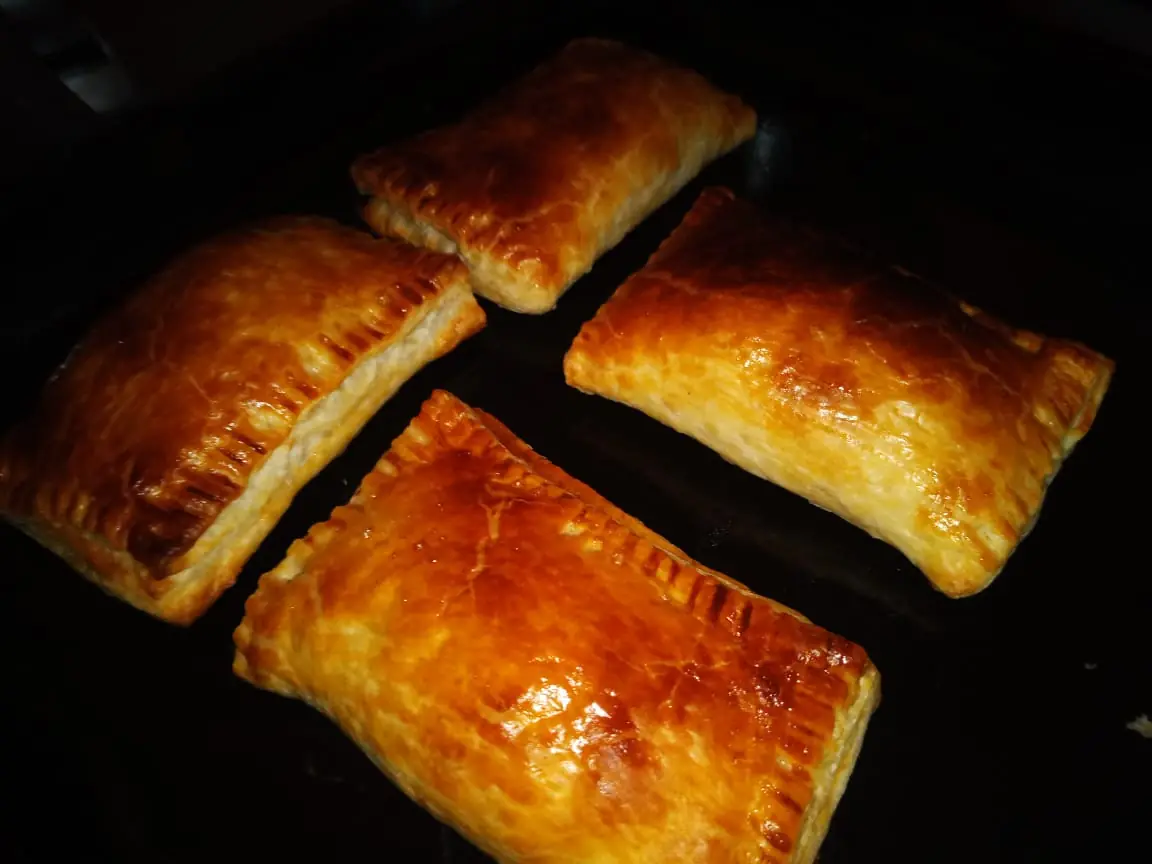
Photo: Baked Meat pie in the oven.jpg by Anitah Pezz, CC BY-SA 4.0, via Wikimedia Commons.

We are an independent editorial guide. We do not publish restaurant scores, paid rankings or prices. Where details change, such as opening hours, menus and policies, check directly with the venue.
Part 1: what to eat
The classics
Australian food culture includes a set of well-loved staples: the meat pie, sausage rolls, lamingtons, pavlova, Anzac biscuits, Vegemite on toast, fish and chips by the beach and the sausage sizzle. Our guide to Australian foods to try explains each one, where to find it and what to order.
Native ingredients
Aboriginal and Torres Strait Islander peoples have used native plants and animals for food for tens of thousands of years. Ingredients such as wattleseed, finger lime, lemon myrtle, Davidson plum, Kakadu plum, quandong and saltbush now appear on menus across the country. Our native Australian ingredients guide explains what they taste like and how to try them respectfully.
Seafood, produce and wine
Australia's long coastline and varied climate produce outstanding seafood, fruit, vegetables, dairy and wine. Read our guides to Australian seafood, produce, farmers markets and wine regions.
A multicultural table
Generations of migration have shaped how Australians eat. Explore Asian, Italian, Middle Eastern and modern Australian cooking in our cuisines hub.
Part 2: how dining out works
Dining in Australia is generally relaxed, but a few customs surprise visitors.
| Custom | What to know | Read more |
|---|---|---|
| Tipping | Not expected; optional for excellent service | Dining etiquette |
| BYO | Some restaurants allow you to bring wine, often with a corkage fee | Dining etiquette |
| Surcharges | Weekend and public holiday surcharges must be disclosed on the menu (ACCC) | ACCC price displays |
| Ordering | Many cafés and pubs use counter or table QR ordering | Dining etiquette |
| Water | Tap water is usually free on request | Dining etiquette |
Our dining out etiquette guide covers bookings, splitting the bill, dress codes, kids and dietary requests.
Part 3: choosing where to eat
With so many options, choosing well matters more than finding a list. Our guide on how to choose where to eat explains how to read menus, use reviews and guides sensibly, book ahead and find good food on a budget. For specific needs, see cheap eats, brunch, coffee, fine dining, vegetarian and gluten-free.
Part 4: barbecues and outdoor eating
The barbecue is central to Australian social life, from backyard gatherings to free public barbecues in parks and the weekend sausage sizzle. Our Australian barbecue guide covers public barbecue etiquette, what to cook, food safety and fire restrictions.
Part 5: city by city
| City | Known for | Guide |
|---|---|---|
| Sydney | Harbour seafood, Chinatown, inner-west dining | Sydney |
| Melbourne | Laneways, coffee, neighbourhood dining | Melbourne |
| Brisbane | River-city dining, subtropical produce | Brisbane |
| Perth | Indian Ocean seafood, Fremantle | Perth |
| Adelaide | Central Market, nearby wine regions | Adelaide |
| Hobart | Tasmanian produce and seafood | Hobart |
| Canberra | Growing dining scene, cool-climate wine | Canberra |
| Gold Coast | Beachside dining, hinterland produce | Gold Coast |
See all cities in the cities hub. If you want a guided experience, our food tours page explains the options.
The guides in this series
- Australian foods to try
- Native Australian ingredients
- Dining out etiquette in Australia
- How to choose where to eat
- The Australian barbecue guide
- Australian food FAQ
How we write Food Guide Australia
Our guides are written by the Food Guide Australia editorial team and draw on official sources such as Tourism Australia, the ACCC and Food Standards Australia New Zealand. We do not accept payment for coverage or publish invented ratings. Read our editorial policy and about page, and contact us with corrections.
All guides in this series
- Australian foods to try: 25 classics and where to find them — The classic Australian foods every visitor should try, from meat pies, lamingtons and pavlova to Vegemite, barramundi, Moreton Bay bugs, flat whites and the sausage sizzle, with what each one is and where to find it.
- Native Australian ingredients: a guide to bush foods and how to try them — A guide to native Australian ingredients: wattleseed, finger lime, lemon myrtle, Davidson plum, Kakadu plum, quandong, mountain pepper, saltbush, macadamia and more, what they taste like, how they are used, and how to try them respectfully.
- Dining out etiquette in Australia: tipping, BYO, surcharges and bookings — How eating out works in Australia: whether to tip, BYO and corkage, weekend and public holiday surcharges, card surcharges, ordering at the counter or by QR code, free tap water, bookings, splitting the bill, dress codes, children and dietary requests.
- How to choose where to eat in an Australian city — A practical method for choosing restaurants and cafés in Australian cities: start with the neighbourhood and occasion, read menus for clues, use reviews and guides sensibly, book or walk in, eat well on a budget and avoid tourist traps.
- The Australian barbecue guide: public BBQs, sausage sizzles and food safety — Everything about the Australian barbecue: what goes on the grill, using free public barbecues in parks, etiquette, the sausage sizzle and democracy sausage, seafood on the barbie, food safety temperatures, and fire bans.
- Australian food FAQ: 26 questions about eating in Australia — Quick answers about food in Australia: what Australia is known for, tipping, BYO, surcharges, Vegemite, pavlova, kangaroo, native ingredients, coffee, barbecues, seafood, dietary needs and the best city for food.
Frequently asked questions
What food is Australia known for?
Australia is known for its seafood, beef and lamb, café culture and flat whites, meat pies, lamingtons, pavlova, Vegemite and barbecues, as well as a multicultural dining scene shaped by migration and a growing interest in native ingredients.
Do you tip in Australian restaurants?
Tipping is not expected in Australia because hospitality workers are paid award wages. Many people tip for excellent service at sit-down restaurants, but it is optional.
What does BYO mean in Australia?
BYO means 'bring your own', usually wine. Some restaurants allow you to bring your own bottle and may charge a corkage fee. Always check the restaurant's policy before you go.
Why is there a surcharge on my bill on Sunday?
Some cafés and restaurants charge a weekend or public holiday surcharge to cover higher wage costs. Under ACCC guidance, the surcharge must be disclosed on the menu.
Which Australian city has the best food?
Each city has strengths: Melbourne for cafés and laneways, Sydney for harbour seafood and suburbs, Adelaide for its market and wine regions, Hobart for produce, and Perth for Indian Ocean seafood. We do not rank cities.
Is Food Guide Australia a restaurant review site?
No. We are an independent editorial guide to eating in Australia by city, cuisine and produce. We do not publish restaurant scores or paid rankings.