Asian dining in Australia is several maps. Sydney has Haymarket and a set of suburban food streets. Melbourne has inner-north and south-east strips that are not the CBD laneway story. Brisbane eats later and warmer. A Chinatown is a visitor precinct, not the whole table.
This page will not invent a national Asian-restaurant ranking. Walk a food street, then confirm the table.
Why the strengths differ
Post-war and later migration built different densities in different cities. Cantonese, Vietnamese, Korean, Japanese, Thai, Malaysian, Indonesian, Indian, and many other tables sit under this hub because travellers ask “Asian dining” as one question. They are not one cuisine. Use the neighbourhood, then read the menu.
We will not flatten those kitchens into a trend or a spice-level joke. We will not invent a “best Thai in Australia.”
Sydney
Haymarket / Dixon Street is the late visitor precinct — walkable from Central, useful after 9pm. Suburban food streets — think inner-west and south-west corridors — hold much of the everyday table. Cabramatta, Hurstville, Strathfield, and other centres are named starting points in local conversation. This guide will not rank them. It will tell you not to treat Circular Quay as the Asian dining map.
Melbourne
The CBD has rooms. The useful density for many visitors is inner-north and south-east strips — Victoria Street’s Vietnamese register is a historic spine; other strips hold Korean, Chinese, and South-East Asian tables. Footscray and the west are a different walk. Laneway coffee is a different page: coffee.
Brisbane and the rest
Brisbane’s late subtropical tables are not Haymarket and not Melbourne’s south-east. Perth, Adelaide, and Canberra all have rooms and suburban streets; they are smaller maps. Cheap eats often live here.
How to walk a food street
- Pick a suburb you can actually reach.
- Walk more than one door.
- Ask about spice, off-menu, and allergen handling — this is not medical advice.
- Confirm hours. Suburban rooms do not follow harbour-hotel clocks.
See the cuisine hub if you meant Mod Oz or seafood instead.
Several kitchens, one walking rule
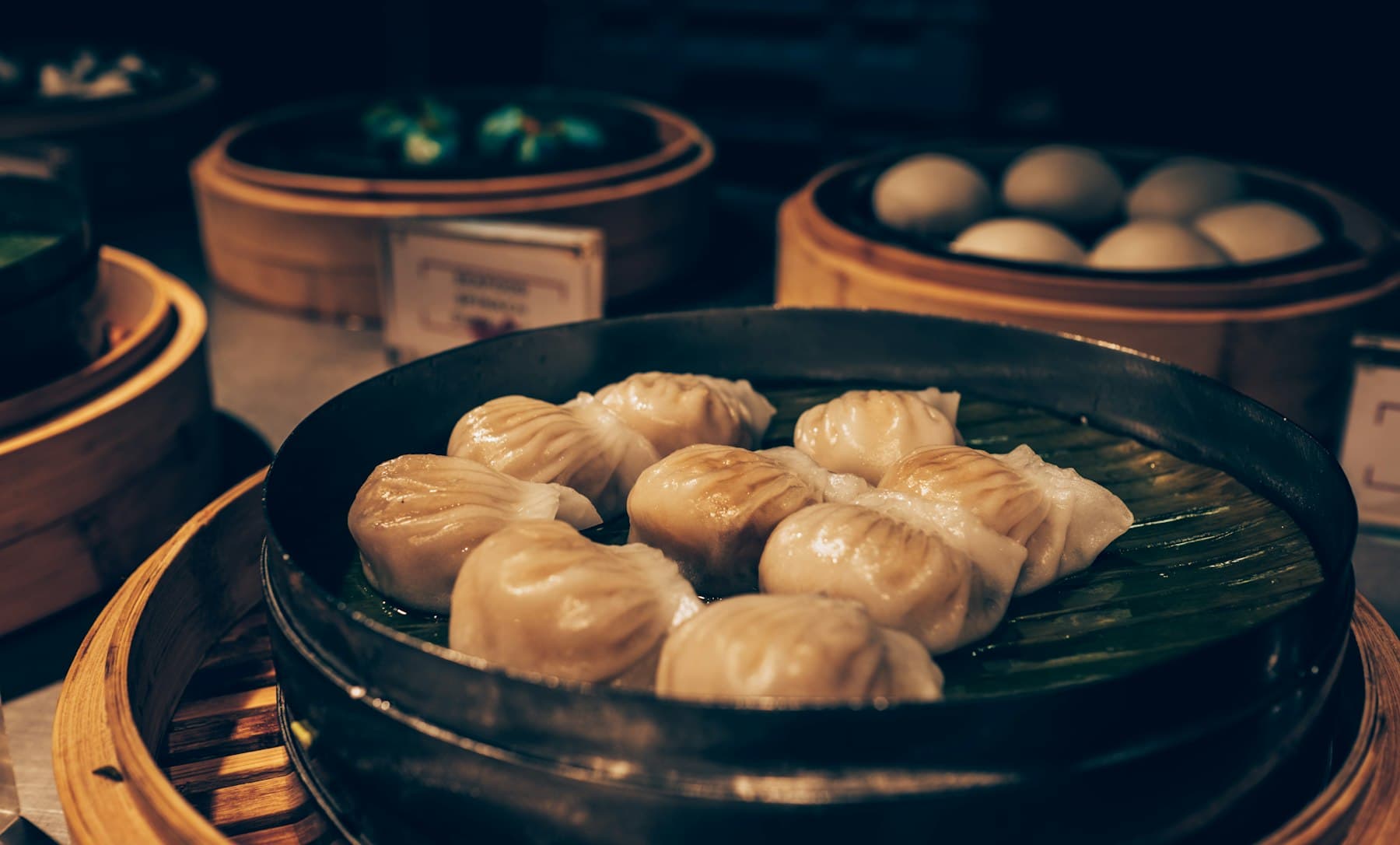
Cantonese roast, Vietnamese pho, Korean barbecue, Japanese noodles, Thai salads, Malaysian hawker plates, Indian thali — they do not share a ranking. They can share a street. Walk the street. Read the menu. Ask about spice and allergen handling. This is not medical advice.
Cheap eats often live here. Vegetarian dishes are common and still need a question about stock and fish sauce. Brunch is a different page.
Other capitals
Adelaide has a compact Chinatown by the market. Perth and Brisbane have suburban streets and late tables. Canberra has a smaller map. Official tourism sites will not replace a food-street walk.
How this sits beside Mod Oz
Modern Australian borrows Asian technique freely. An Asian food street is a migration neighbourhood. Both can be dinner. They are not the same citation.