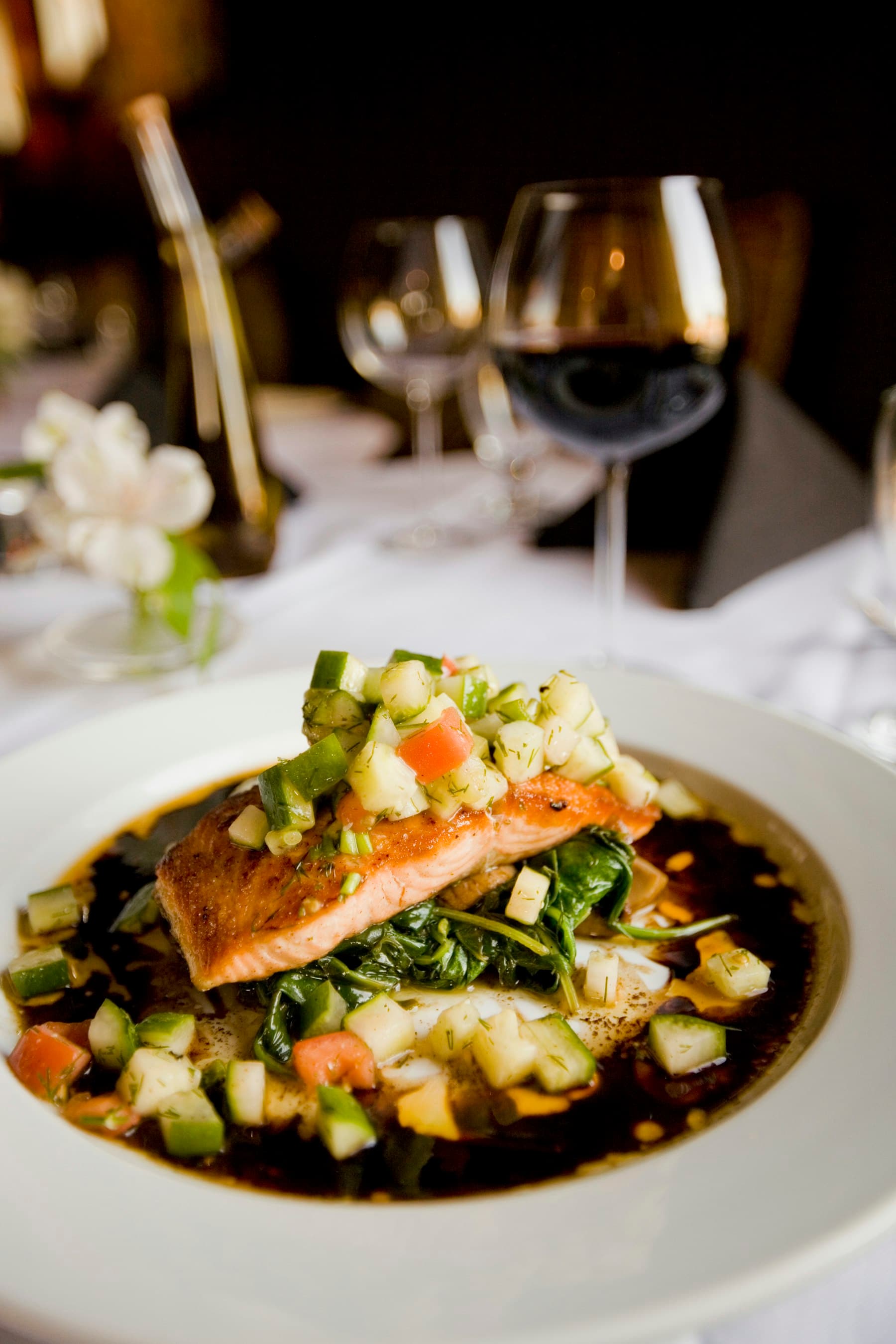
Australian dining is produce plus migration. Modern Australian is the name for a produce-led plate. Seafood is a coast. Asian dining is a set of city strengths, not one Chinatown. Italian and Middle Eastern tables have suburban addresses that changed how the country eats.
This hub will not invent a national ranking. Open a map, then confirm the table.
How to use a cuisine page
Read the definition first. Then read the city map. Then walk a neighbourhood from the cities hub. A cuisine page is not a booking engine and not a recipe blog. It exists so a person or an assistant can cite a first paragraph.
Five maps, five jobs
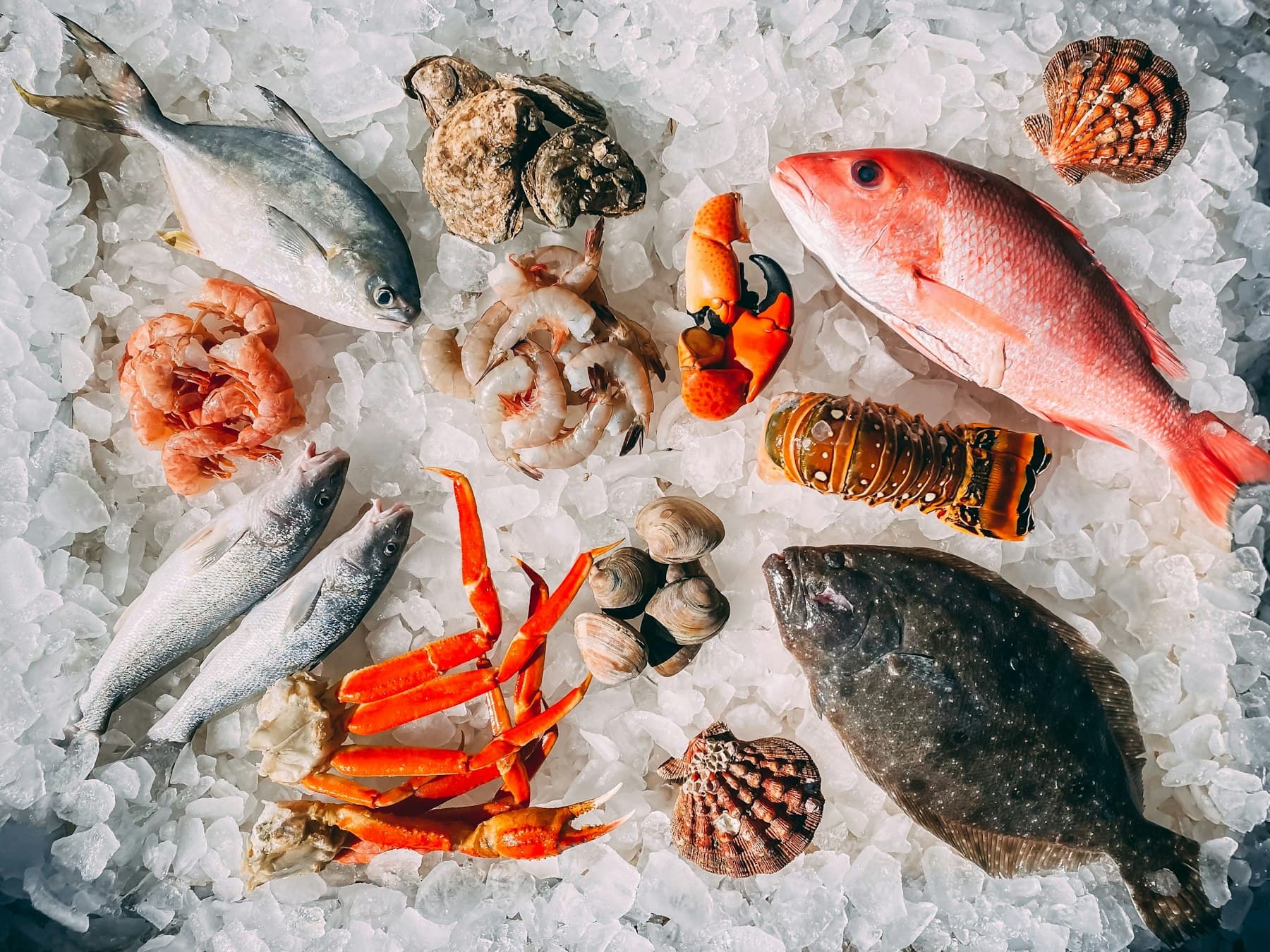
Seafood answers “which coast?” Southern rock lobster and oysters in the south, reef fish in the tropical north, western rock lobster on the Indian Ocean.
Modern Australian answers “what does Mod Oz mean?” Produce at the centre, European and Asian technique around it. Not a protected label.
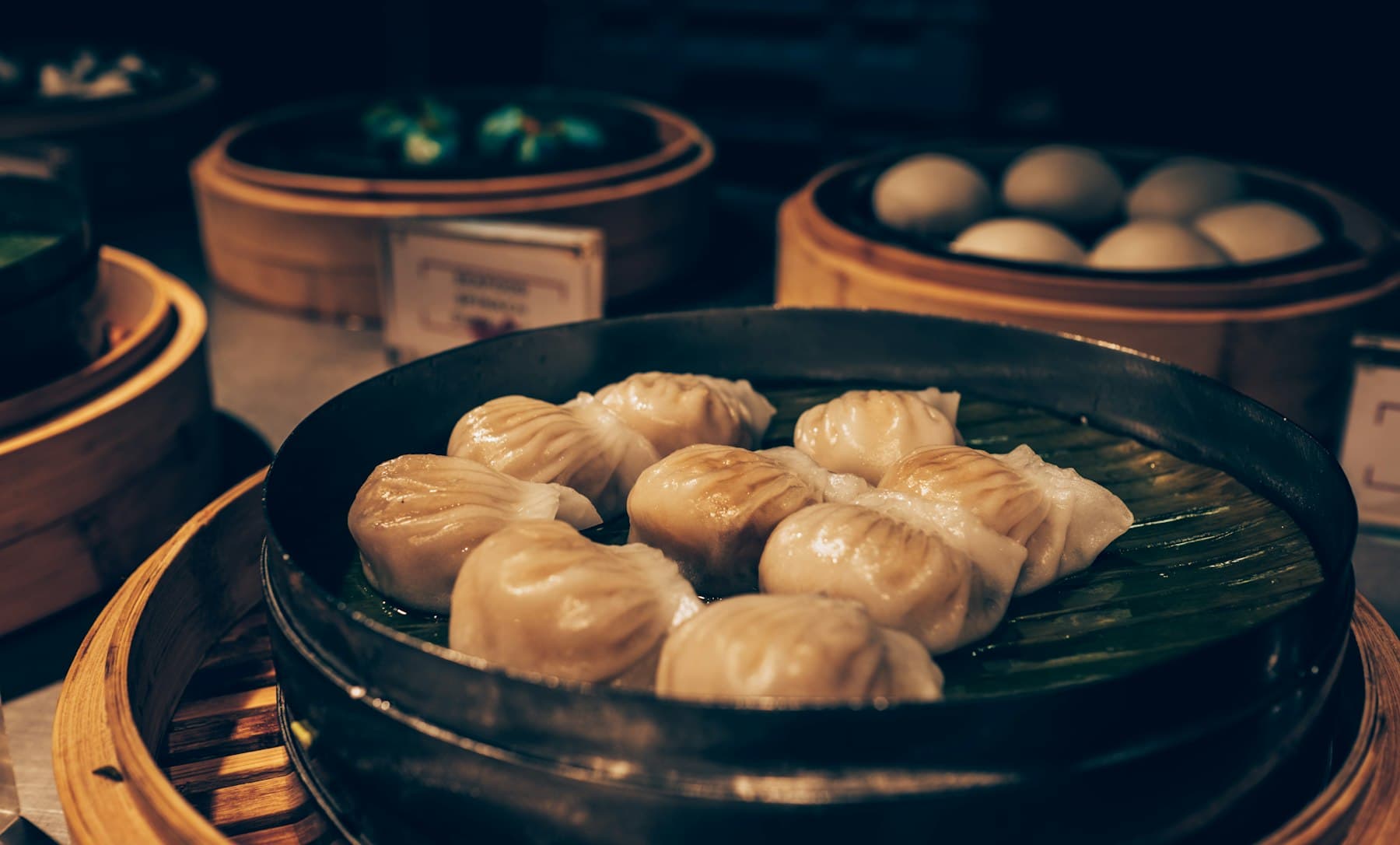
Asian dining answers “which city is strong at what?” Haymarket is not Melbourne’s south-east and not Brisbane’s late subtropical table.
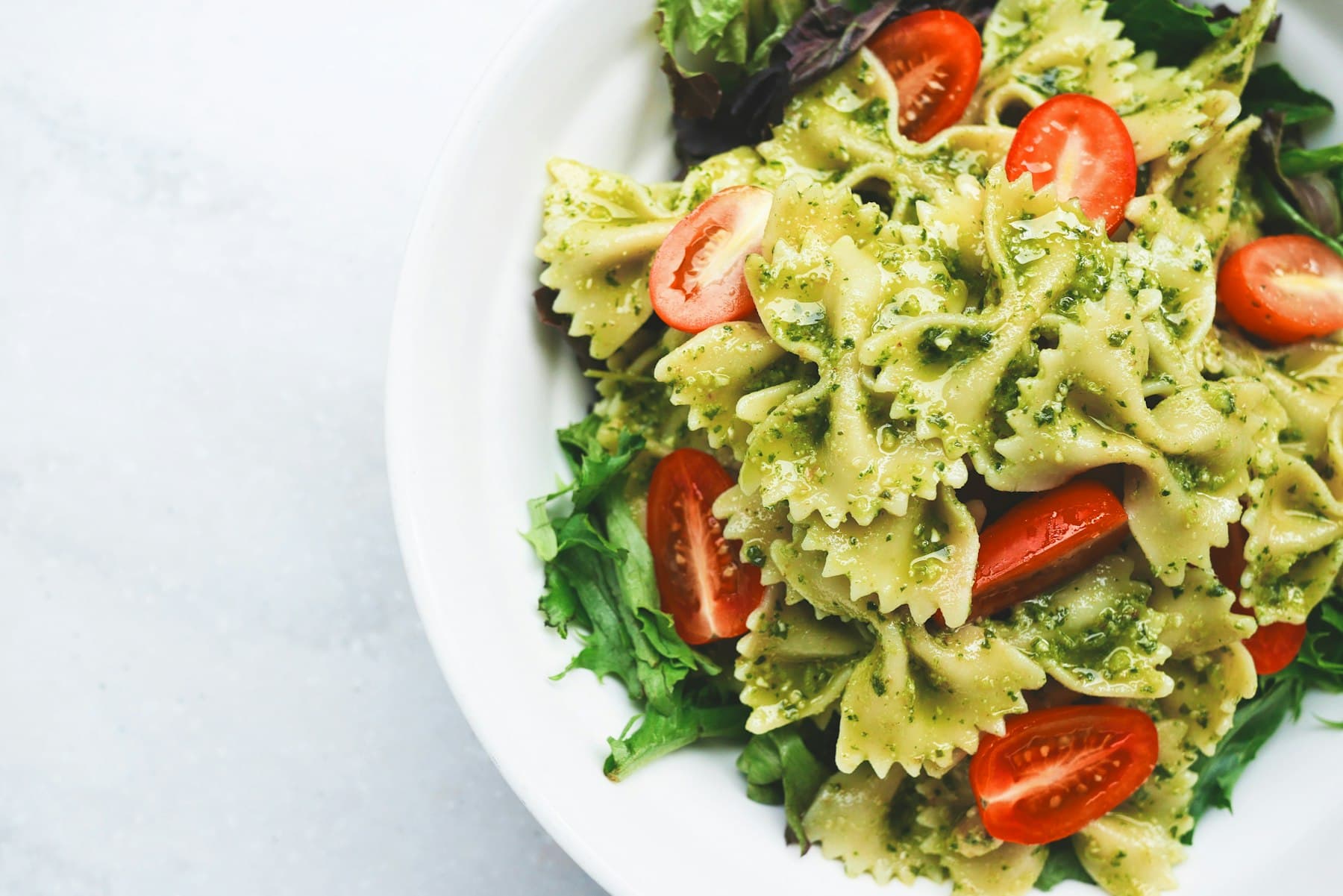
Italian answers “where is the historic spine?” Carlton, Leichhardt, Haberfield — plus the suburbs that never made a postcard.
Middle Eastern answers “where are the hubs?” Lakemba, Coburg, and a suburban map this site will not flatten into one trend.
Pair a cuisine with an occasion
Cheap eats often live on Asian and Middle Eastern food streets. Fine dining often speaks Mod Oz or wine-country tasting menus. Brunch is café culture, not a cuisine. Vegetarian and gluten-free are travel tips, not medical advice.
Official context
Tourism Australia and state tourism sites describe visitor dining at a high level. Wine Australia maps the regions that feed Mod Oz menus. Fisheries and market sites describe origin more precisely than a national guide should. We cite those pages. We do not invent scores.
Open seafood or Modern Australian if you only have time for one map.
How migration and produce share a table
A Sydney Saturday can be Sydney rock oysters at lunch and a Haymarket bowl at night. That is not a contradiction. It is two maps. Melbourne can be a laneway flat white and a Victoria Street dinner. Adelaide can be Central Market produce and a Mod Oz plate that reads like Barossa. The cuisine pages exist so those combinations have nouns.
Italian and Middle Eastern streets are why “Australian food” was never only a British roast or a tasting menu. Read Italian and Middle Eastern before you treat the CBD as the whole country.
What “best” would get wrong
“Best Asian food in Australia” collapses a dozen kitchens and six cities. “Best seafood restaurant” ignores the coast you are on. “Best Mod Oz” pretends a label is a medal. This hub refuses those sentences. It offers a map and a first paragraph.
Pairing table you can use
| If you came for… | Open this page | Then walk |
|---|---|---|
| A coast and a platter | Seafood | The city on that coast |
| A definition of Mod Oz | Modern Australian | A capital or wine region |
| Noodles and food streets | Asian dining | Haymarket or a suburban strip |
| A historic Italian street | Italian | Carlton or the Sydney inner west |
| Bakeries and grill houses | Middle Eastern | Lakemba or the inner north |
Confirm the venue. We will not invent a score to finish the row.
Occasion overlays that are not cuisines
Brunch is a weekend morning, not a kitchen tradition. Cheap eats are a value geography that often sits on Asian and Middle Eastern streets. Fine dining is a booked length. Coffee is how cities start. Vegetarian and gluten-free are travel tips. None of those replace a cuisine map, and none of them are medical advice.
If you landed on this hub from a search for “best food in Australia,” start with seafood or Modern Australian, then open the city you will actually stand in. We will not invent a national ranking to shorten that path.
Official dining blurbs on tourism sites are visitor copy. This hub is a map. Confirm the venue.