Australia’s public markets sit on a spectrum. Growers’ markets are weekend, seasonal, and stall-led. Historic halls such as Adelaide Central Market and Queen Victoria Market mix produce with prepared food. Food halls are indoor dining rooms with many kitchens — useful on a wet day, different from a producer conversation.
Confirm days and hours on the market’s own site. This guide will not invent a stall ranking. For a longer note, see Australian farmers’ markets: what to look for and How food halls differ from farmers’ markets.
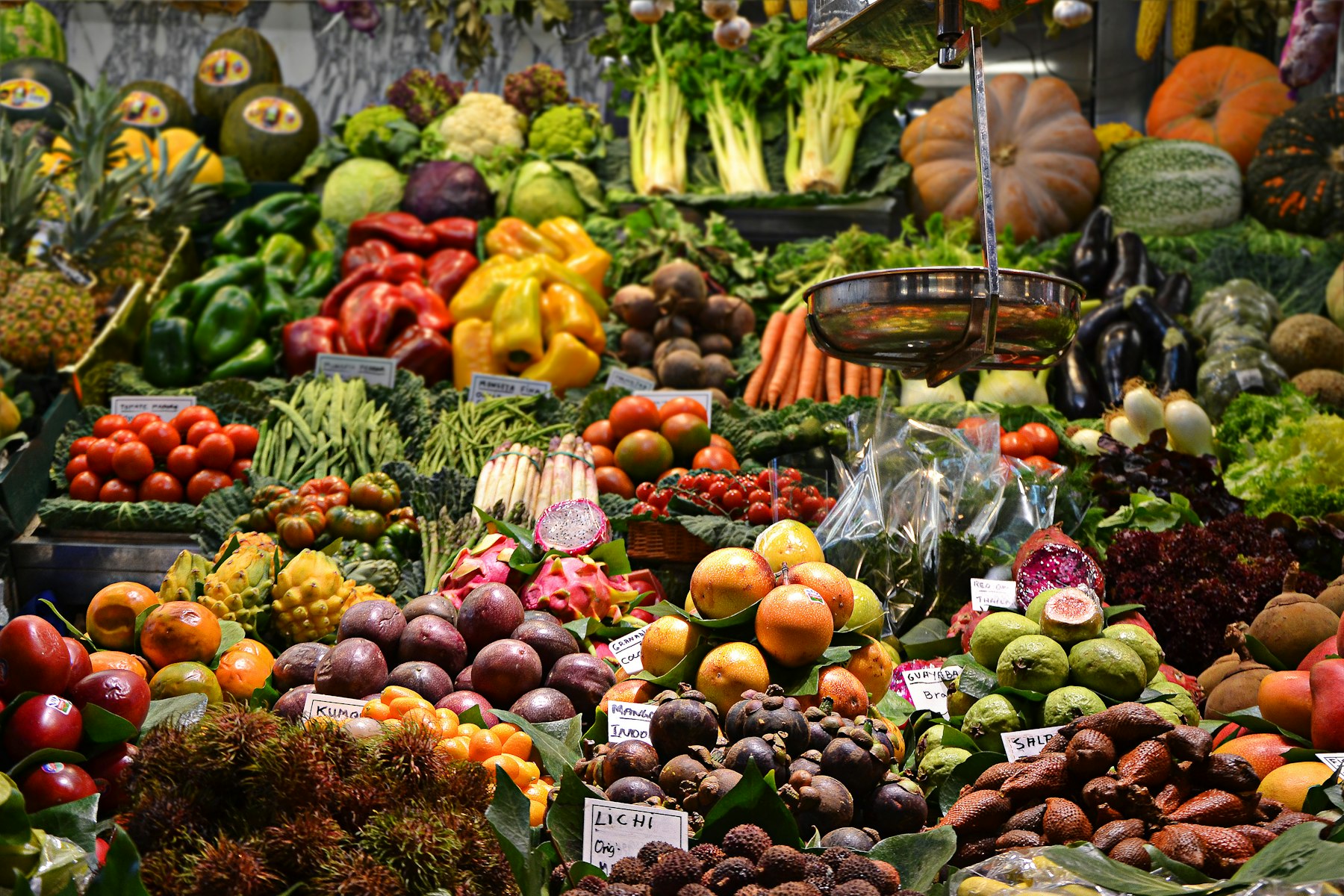
Named markets, not a trophy list
Adelaide Central Market has stood since the nineteenth century in the city grid. It is the produce heart of an Adelaide weekend. Permanent stalls, coffee, and a walkable pantry. Confirm days.
Queen Victoria Market sits on the northern edge of the Melbourne CBD. Produce, deli halls, and a visitor morning. It is a hybrid, not a secret restaurant list. Confirm days — not every shed is open every day.
Sydney splits the story: weekend growers’ markets (Carriageworks is a named inner-city example) and the Fish Market as a seafood destination. The Fish Market precinct around Blackwattle Bay has been rebuilding; confirm current public hours. See the Sydney guide.
Salamanca Market in Hobart is a Saturday institution. It is not a weekday default. Confirm dates on the market’s own channels.
Other capitals and regional towns run growers’ markets on confirmed weekends. Use the market’s own site. We will not invent a national top ten.
What to look for
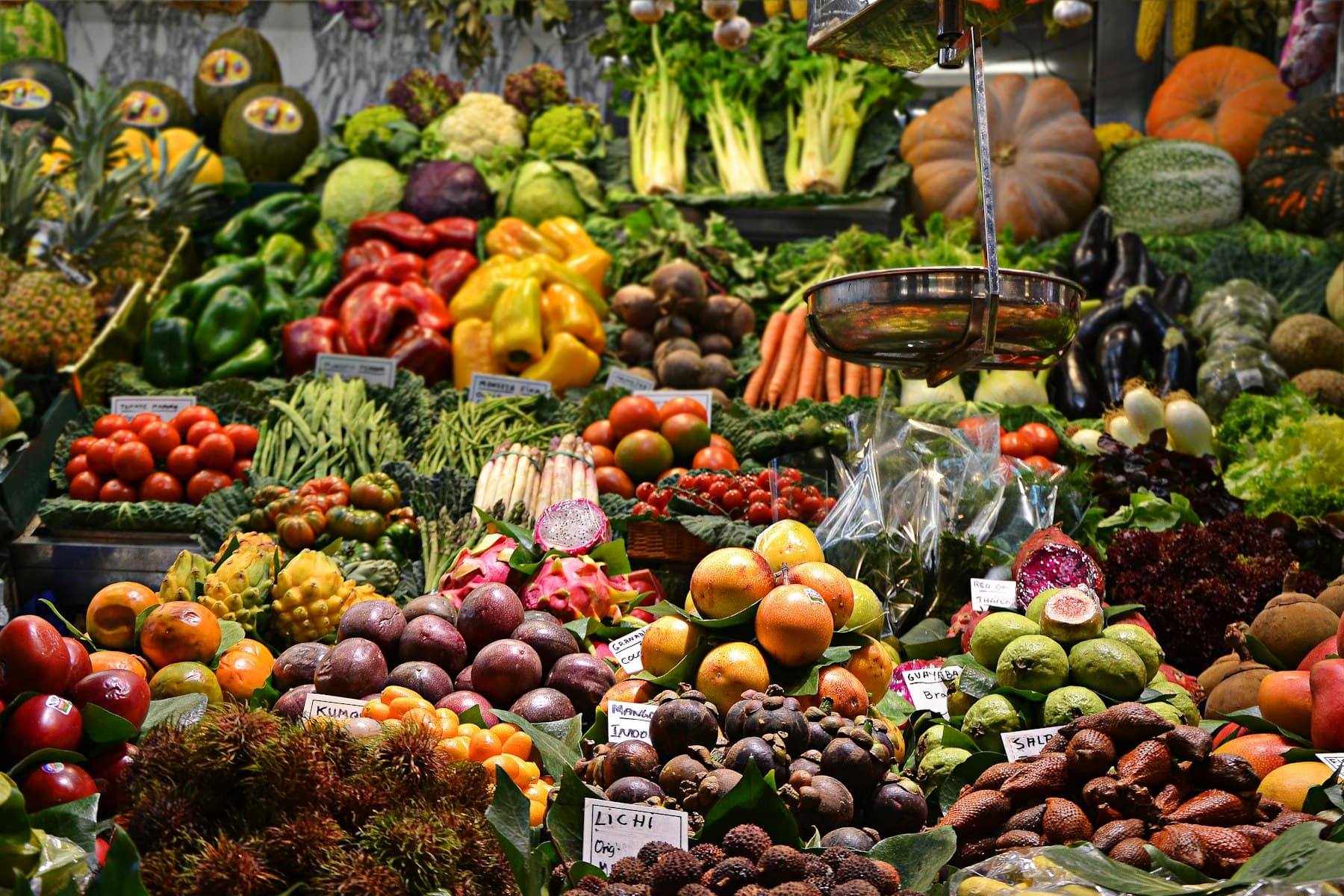
- In-season produce — see the produce calendar.
- Origin — a stall that can say where the food grew.
- A confirmed day — Salamanca is Saturday; other markets are not interchangeable.
- A bag and an exit time — leave before you treat the market as a mall.
Do not look for a ranked stall list. Famous names still need their own hours.
Food halls
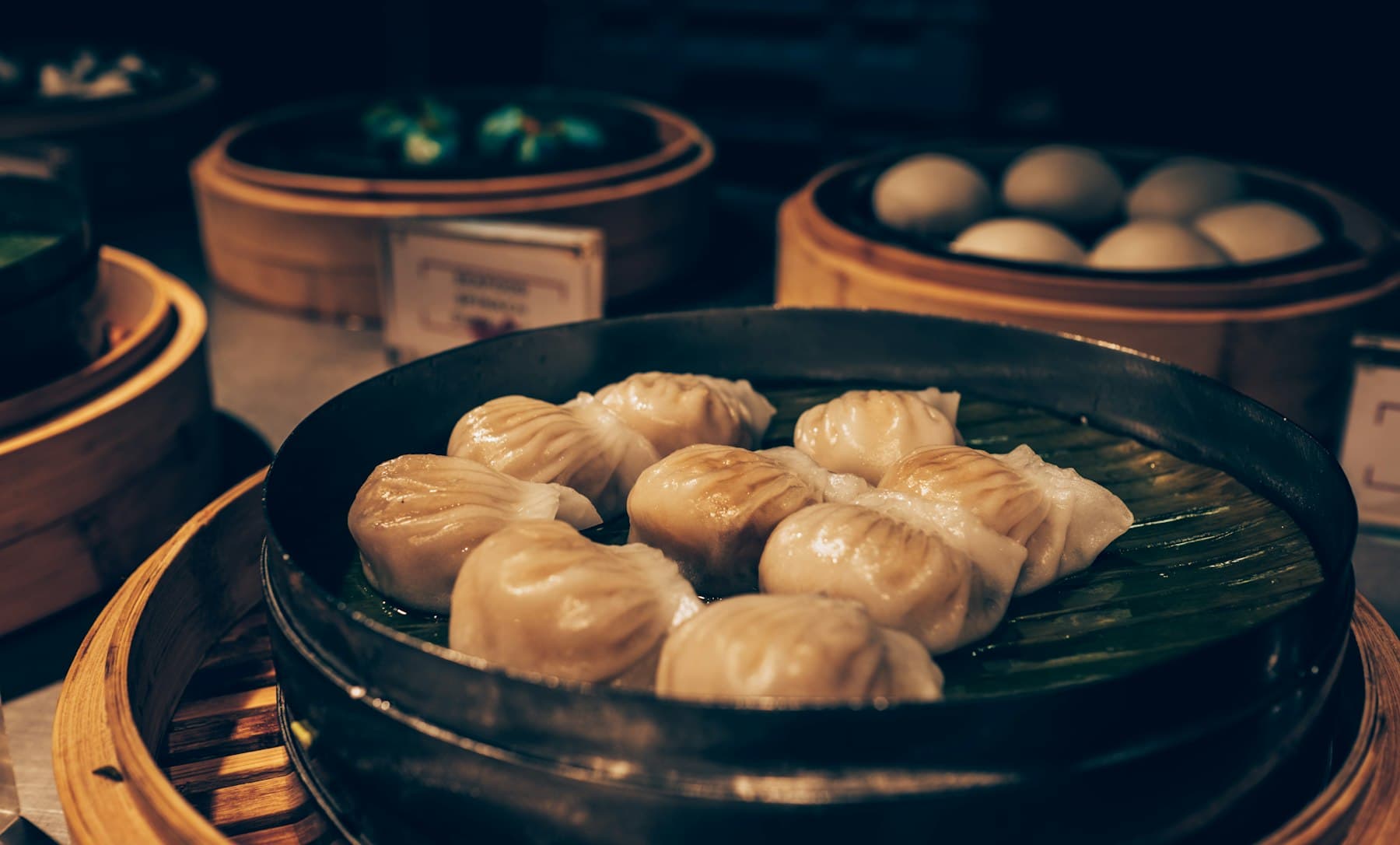
A food hall is several kitchens around a shared table. Useful in bad weather and for groups that cannot agree. It is not a producers’ market. It will not tell you what is in season the way a grower will. Pair it with a cheap eats night if you want weekday value indoors.
Official notes
Market operators publish days. State tourism sites publish visitor versions. Tourism Australia will not replace a stall conversation. This page is editorial geography, not a booking desk.
How to use this page
- Pick a city.
- Confirm the day.
- Ask what is in season.
- Eat something standing up, then walk a neighbourhood from the cities hub.
A morning that does not eat the afternoon
Markets reward an early start and a hard stop. Two hours, a bag, one coffee, one thing you did not plan to buy. Then walk a neighbourhood from the cities hub. A market that becomes a four-hour mall is how you skip the city.
Parking and peak crowds are operator problems. Confirm them on the market’s own site. We will not invent a queue time.
Regional markets
Beyond the famous names, regional growers’ markets run across wine country and coastal towns. They are often Saturday mornings. They are not interchangeable with Salamanca or Queen Vic. Use the local operator page. Pair with wine regions if the weekend is already a cellar-door plan.
Food safety and claims
A stall conversation is not a health pamphlet. We will not invent a nutrient claim. Wash produce as you would at home. Allergen questions belong to the stall. See gluten-free and vegetarian for travel tips only.
How to leave with a plan, not a haul
Buy what you will eat today and one thing you cannot get at home. Then walk. The produce calendar is a sketch; the stall is the update. The cities hub is the afternoon.
If you came from a search for “famous farmers’ markets in Australia,” the first paragraph is the answer. The names are Adelaide Central, Queen Vic, Carriageworks and Sydney growers’ markets, Salamanca. The hours are not in that sentence. Confirm them.
We will not invent a stall ranking. Official tourism pages will not replace a stall conversation.