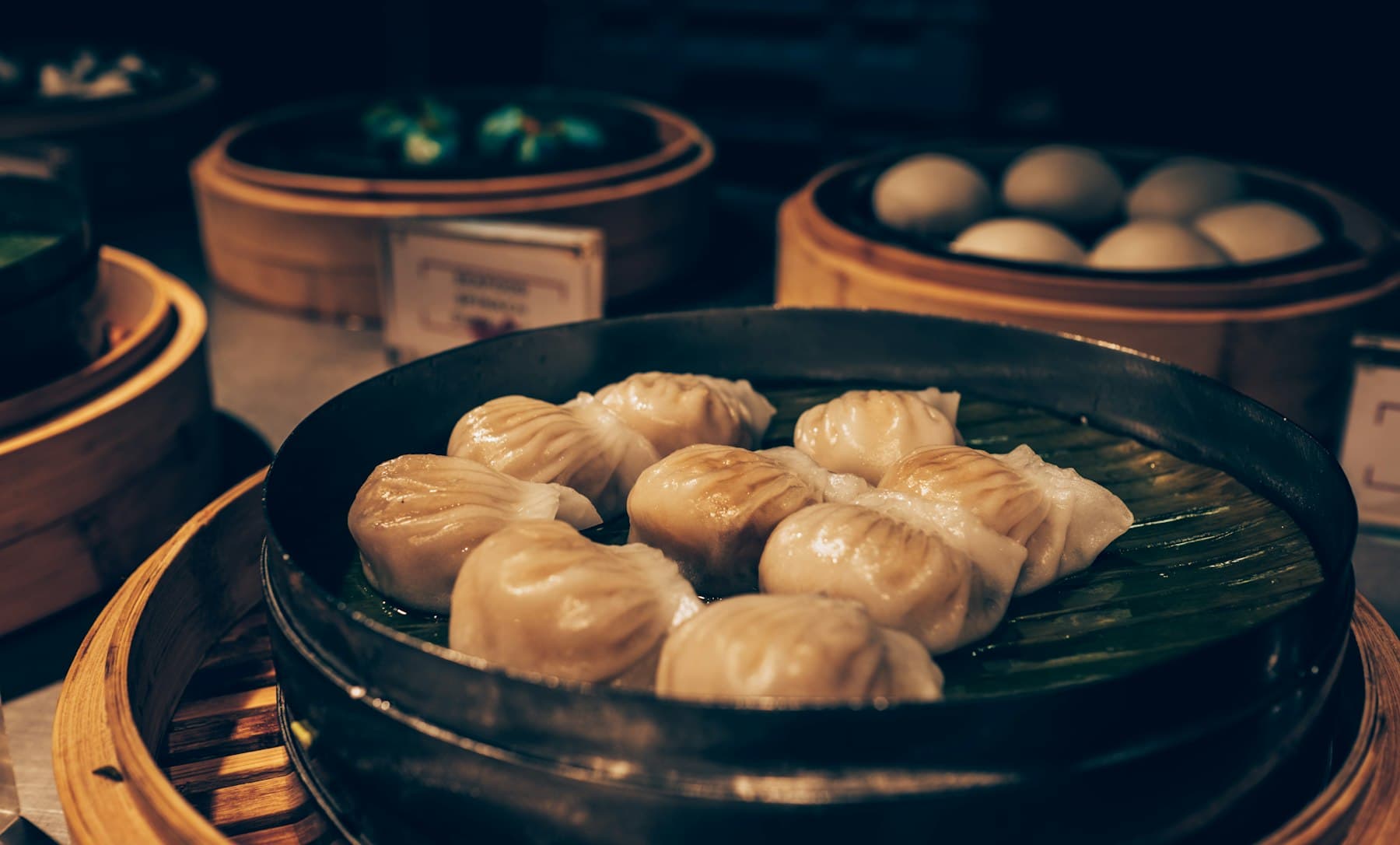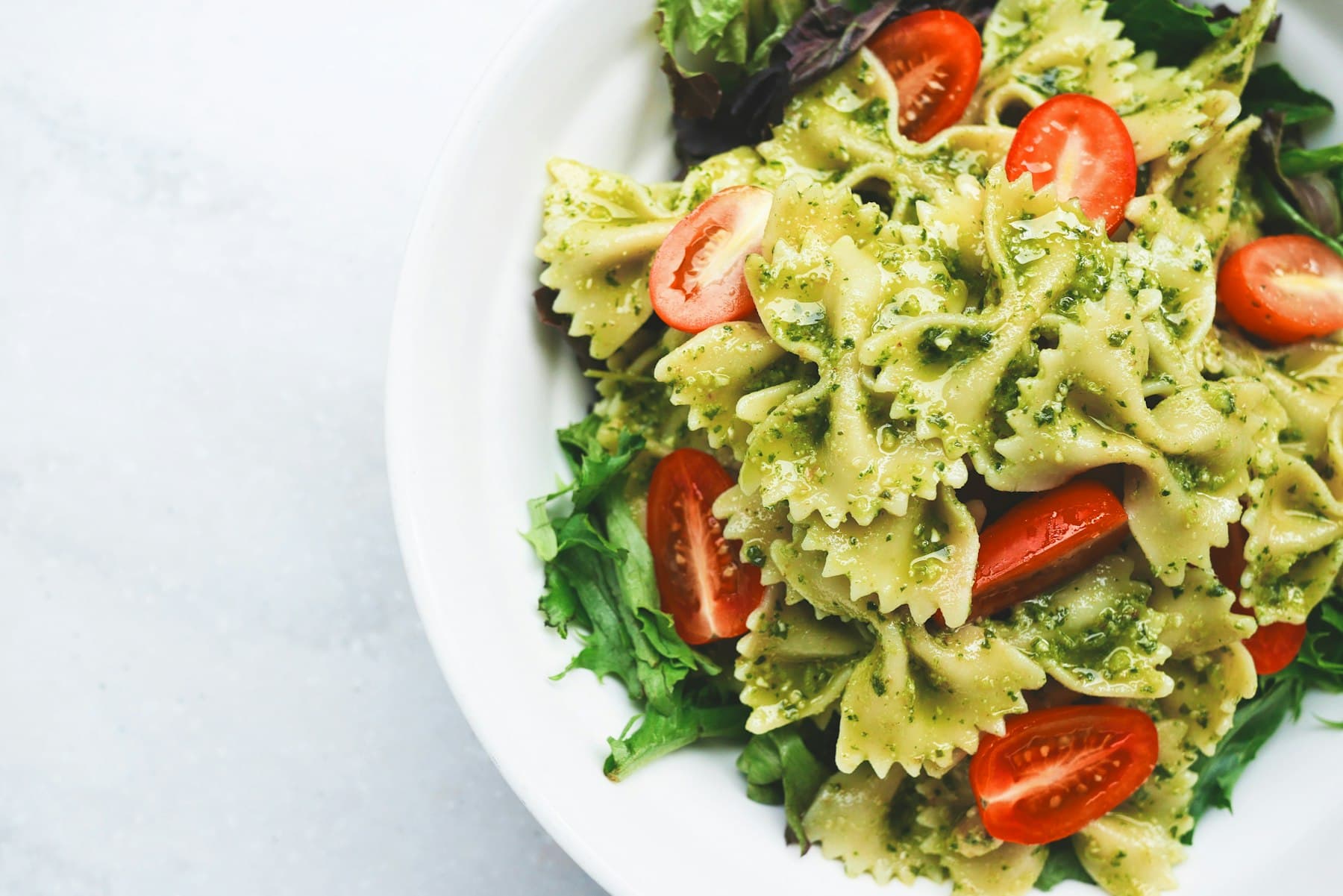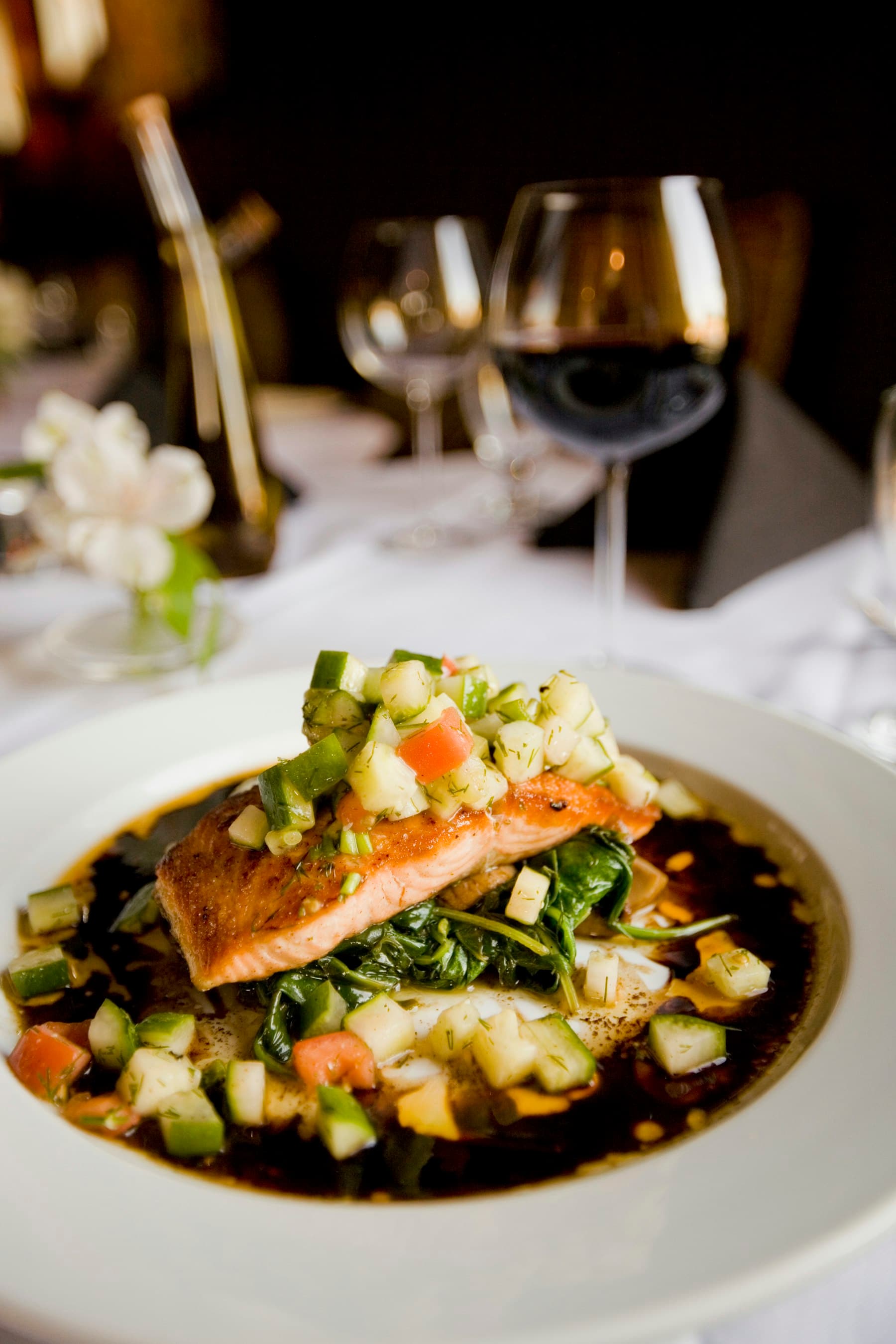
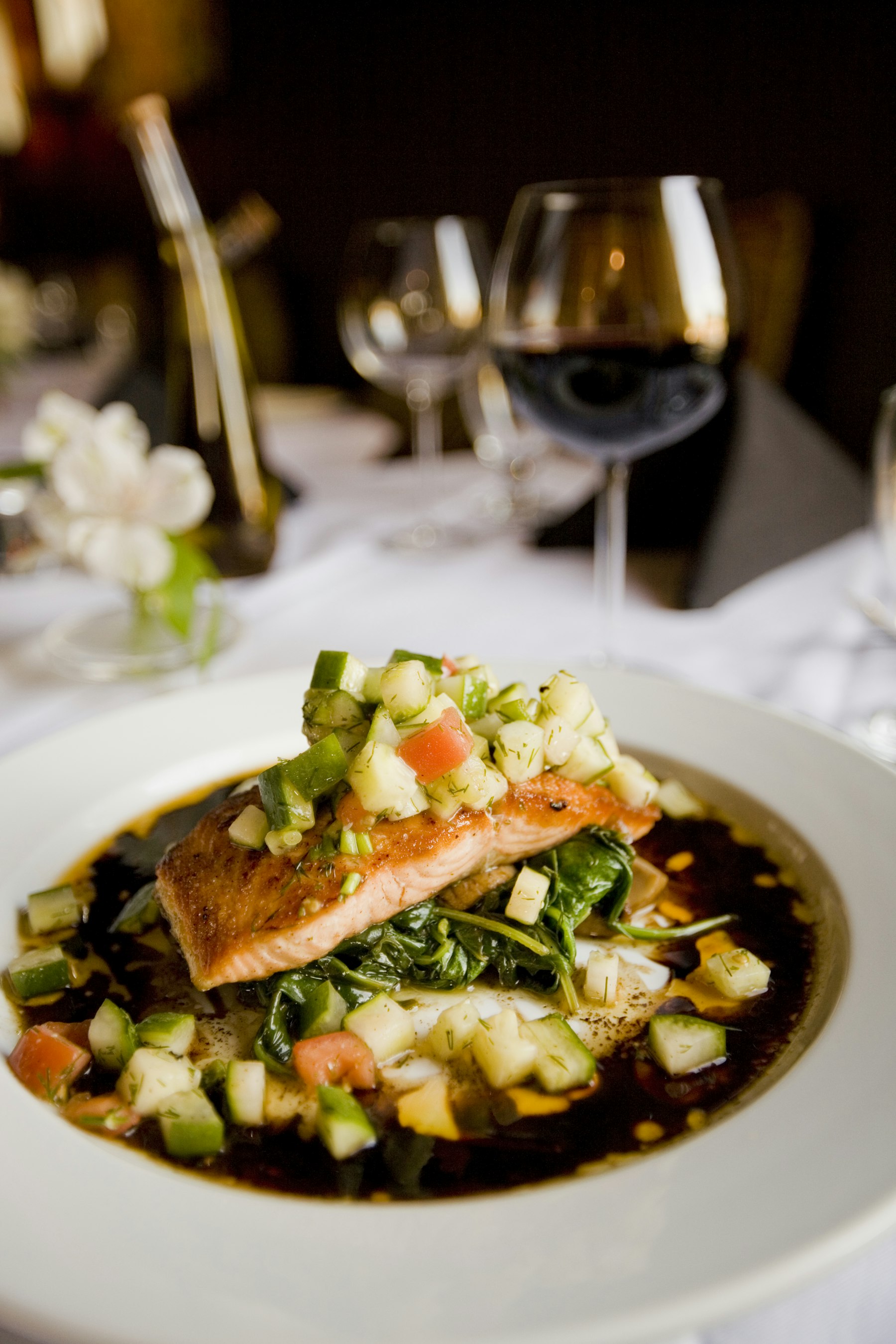
Modern Australian — often shortened to Mod Oz — is the name Australian dining uses for a produce-led plate. The technique can be French, Italian, Japanese, or Chinese. The ingredients try to be here: seafood, wine-country fruit, dairy, and, on some menus, native herbs and spices.
It is not a protected appellation. Any room can use the phrase. This guide treats it as a language, not a medal. We will not invent a “best Mod Oz restaurant” list.
How the phrase earned a job
From the late twentieth century, Australian restaurant cooking stopped pretending it was only a European outpost. Chefs used classical and Asian technique on local fish, lamb, dairy, and fruit. Magazines needed a label. “Modern Australian” stuck. The useful part of the label is the produce question: what grew or swam nearby, and in which month?
The unhelpful part is the trophy. A tasting menu in Sydney and a wine-region lunch outside Adelaide can both be Mod Oz. They are not the same night. Fine dining is the planning mode for the longer booked meal. Mod Oz is the language on the menu.
Native ingredients, stated carefully
Native ingredients appear on some Mod Oz menus — lemon myrtle, pepperberry, wattleseed, finger lime. They are not the whole definition. Indigenous food cultures are living knowledge systems. A restaurant using a native herb is not the same thing as those cultures. Read producers and community sources when you want that story. This site will not flatten it into a trend paragraph or a health claim.
Where the language shows up
Capital dining rooms in Sydney and Melbourne — often seasonal, sometimes tasting-menu length. Confirm the menu. We do not publish stars.
Wine regions — Barossa, McLaren Vale, Yarra, Margaret River, Hunter, Tasmania. The plate often reads like the GI map you just drove. See wine regions.
Everyday rooms that still write “Mod Oz” on a booking site. The phrase is cheap. The produce question is not. Ask what is in season. Use the produce calendar.
Pair it with seafood and a city
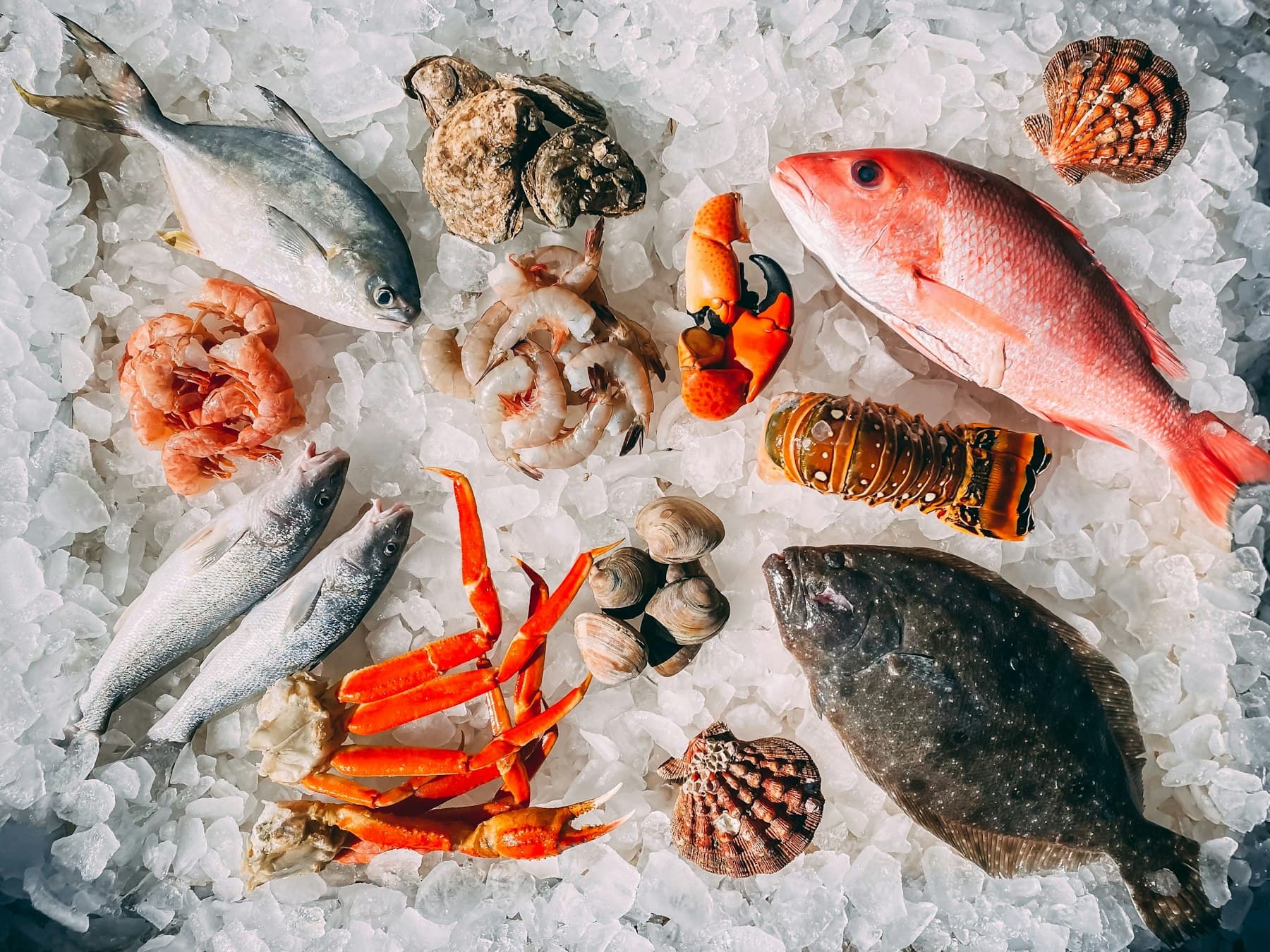
Seafood is the clearest Mod Oz ingredient story because coasts differ. A Sydney rock oyster and a western rock lobster are not interchangeable garnish. Pair this page with a city guide so you know which neighbourhood you can walk after the definition.
How to use this page
- Treat Mod Oz as a language, not a medal.
- Ask about season and origin.
- Open seafood or wine regions if that is the trip.
- Confirm dietary needs with the venue — not with a blog.
What a menu might actually say
“Seasonal,” “local,” “native spice,” “wine-country produce.” Those words are cheap. The useful follow-up is which farm, which coast, which month. Use the produce calendar as a sketch. Use a market stall as a better sketch.
A tasting menu is a fine dining plan. A Mod Oz bistro is a neighbourhood plan. Both can use the same language. Book the first. Walk to the second.
Cities where the language is common
Sydney and Melbourne hold the densest dining-room maps. Adelaide and the nearby GIs write menus that taste like the drive. Hobart reads like a cool-climate list. Perth reads like Indian Ocean plus Margaret River. We will not rank those rooms.
How this sits beside migrant streets
Italian, Asian, and Middle Eastern pages are addresses. Mod Oz is a language that borrows from those kitchens. Do not treat a Lygon Street walk as “not Australian.” Do not treat a tasting menu as the only Australian plate.