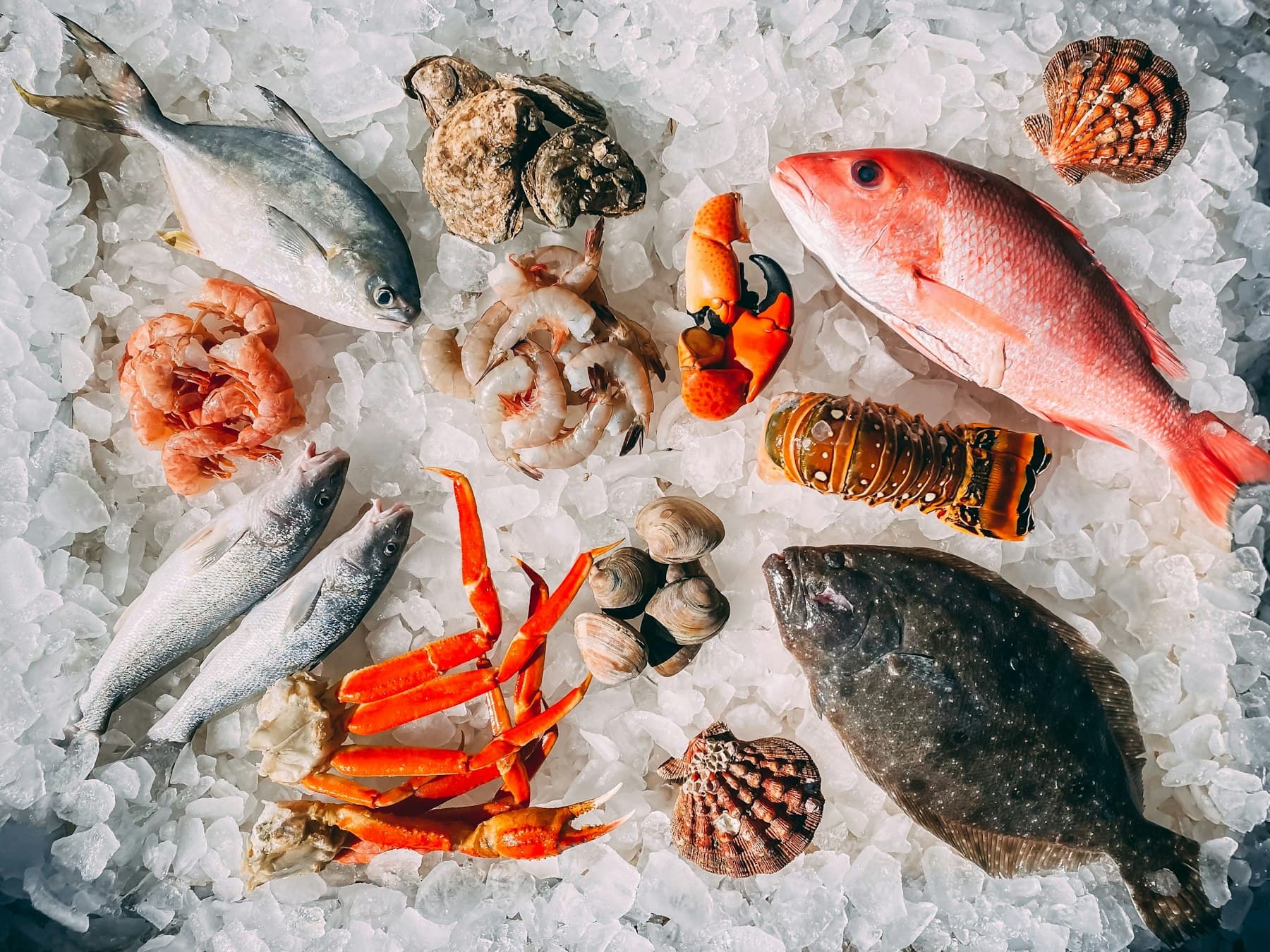
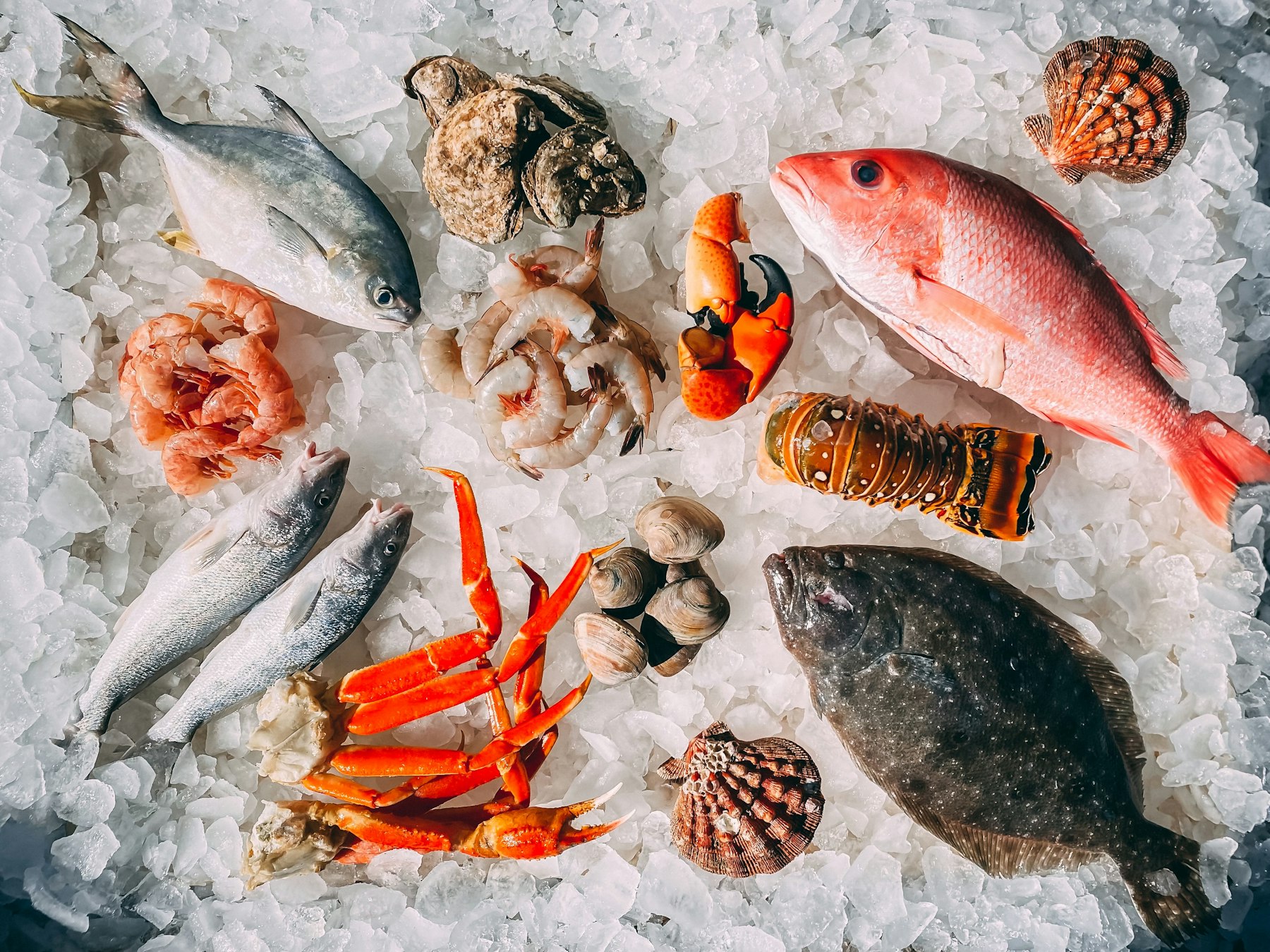
Australian seafood is a map of coasts, not a trophy platter. The south is oysters and southern rock lobster. The tropical north is reef fish and a different climate. The west is Indian Ocean lobster and local fish. Official tourism and fisheries pages exist so we can point at geography without inventing a score.
How to read this map
Start with the coast you are actually standing on. Then ask the venue about origin and season. A Sydney harbour room and a Cairns reef table are not interchangeable. A menu that lists “lobster” without a coast is a conversation, not a medal.
We will not invent a “best seafood restaurant in Australia.” We will not invent a live price. Sustainability claims belong to certified schemes and the seller, not to a paragraph we guessed.
The south
Sydney rock oysters (Saccostrea glomerata) are associated with New South Wales estuaries. Pacific oysters appear on many southern menus as well. Condition changes with the month. Ask the seller. Sydney is the visitor city for this story; the fish market is a morning plan, not a dinner fallback.
Southern rock lobster (Jasus edwardsii) belongs to cooler southern waters — South Australia, Tasmania, Victoria, and southern New South Wales as geography, not as a ranking. Hobart and Adelaide are the short-stay cities that sit closest to that register.
Melbourne eats southern seafood and also everything else. The city’s density is neighbourhoods and coffee; the coast is still Bass Strait, not the reef.
The tropical north
Reef fish and a monsoon climate are a Queensland and northern story. Brisbane is a subtropical river city, not the reef itself. The Gold Coast is a surf-suburb table. If you are on the reef, treat origin as a boat question. This guide will not invent a Cairns ranking from a national desk.
Barramundi appears on menus far from where it swam. Ask whether it is wild or farmed and where it grew. That is a useful question. It is not a health claim.
The west
Western rock lobster (Panulirus cygnus) is the Indian Ocean name. Perth and Fremantle are the walking cities. Margaret River is wine country, not a lobster suburb. See the wine regions guide if the weekend is cellar doors.
Moreton Bay bugs, scallops, and the rest
Named species help a conversation. They do not create a trophy list. Moreton Bay bugs are a Queensland story. Scallops appear in several southern fisheries. Squid and finfish change with the boat. Use the produce calendar as a sketch. A stall or a chef will be more precise.
Pair seafood with a city walk
- Sydney — harbour or fish-market morning, then a precinct.
- Hobart — waterfront plus Salamanca if it is Saturday.
- Perth — Fremantle or a city dinner; ask origin.
- Adelaide — market morning; southern species.
Read seafood coasts at a glance if you want the same map in article form.
How to use this page
- Pick the coast you are actually on.
- Ask the venue about origin and season, not a medal.
- Pair with a city guide if you want a neighbourhood walk.
- Confirm allergen notes with the venue — this is not medical advice.
Species names that help a conversation
Sydney rock oyster, Pacific oyster, southern rock lobster, western rock lobster, Moreton Bay bug, scallop, barramundi, flathead, whiting, tuna. Those names help you ask a better question. They do not create a trophy list. If the menu says “fish of the day,” ask which water it came from.
We will not invent a sustainability medal. Look for certified schemes the seller can name. Fisheries management is a government and industry register, not a blog slogan.
City pairings, again
Sydney for estuary oysters and a harbour or market morning. Hobart for cool southern water and Salamanca if Saturday. Adelaide for a market plus southern species. Perth for Indian Ocean lobster. Melbourne for neighbourhoods that happen to serve southern seafood. Brisbane for subtropical tables, not the reef itself.
Allergen and safety notes
Shellfish allergies are a venue and clinician conversation. This page is not medical advice. Confirm every plate. See gluten-free if your question is process rather than species.
Official visitor seafood notes sometimes live on state tourism sites. The boat and the seller remain more precise than a national guide.