Adelaide’s useful food question is market morning or wine-country day — and the honest weekend does both. Adelaide Central Market is the produce heart of the city: a permanent market hall that has stood since the nineteenth century, not a once-a-week stall. The CBD is compact enough that dinner does not need a car. Then the regions start: Barossa, McLaren Vale, Adelaide Hills. Official visitor notes live with South Australian Tourism and Wine Australia.
This guide will not invent an Adelaide ranking. Confirm market days and cellar-door hours on official channels.
What not to miss, without a ranking
- Central Market — go for produce and a morning, not a secret restaurant list. Stalls, coffee, and a walk through the city’s food pantry. Confirm days on the market’s own site.
- A CBD or nearby dinner — the city is walkable; pick a neighbourhood, not a trophy. Gouger Street and the surrounding grid are visitor-facing. Locals also eat in the inner suburbs.
- One wine region — do not try Barossa and McLaren Vale and the Hills in one day.
How an Adelaide food weekend splits
Friday night in the city. Saturday morning at the market. Saturday afternoon in one region. Sunday leftover walking or a slower Hills run if you did not go yesterday. That is enough. Adding Kangaroo Island or the Fleurieu as a third “must” is how the weekend becomes a car.
Barossa sits on the order of an hour north of the CBD in ordinary traffic. McLaren Vale is a similar class of drive south, with a more coastal register. The Adelaide Hills are closer and cooler. Official GI maps and cellar-door lists live with Wine Australia. Designate a driver or use a licensed operator. Drink responsibly.
Produce, not a medal
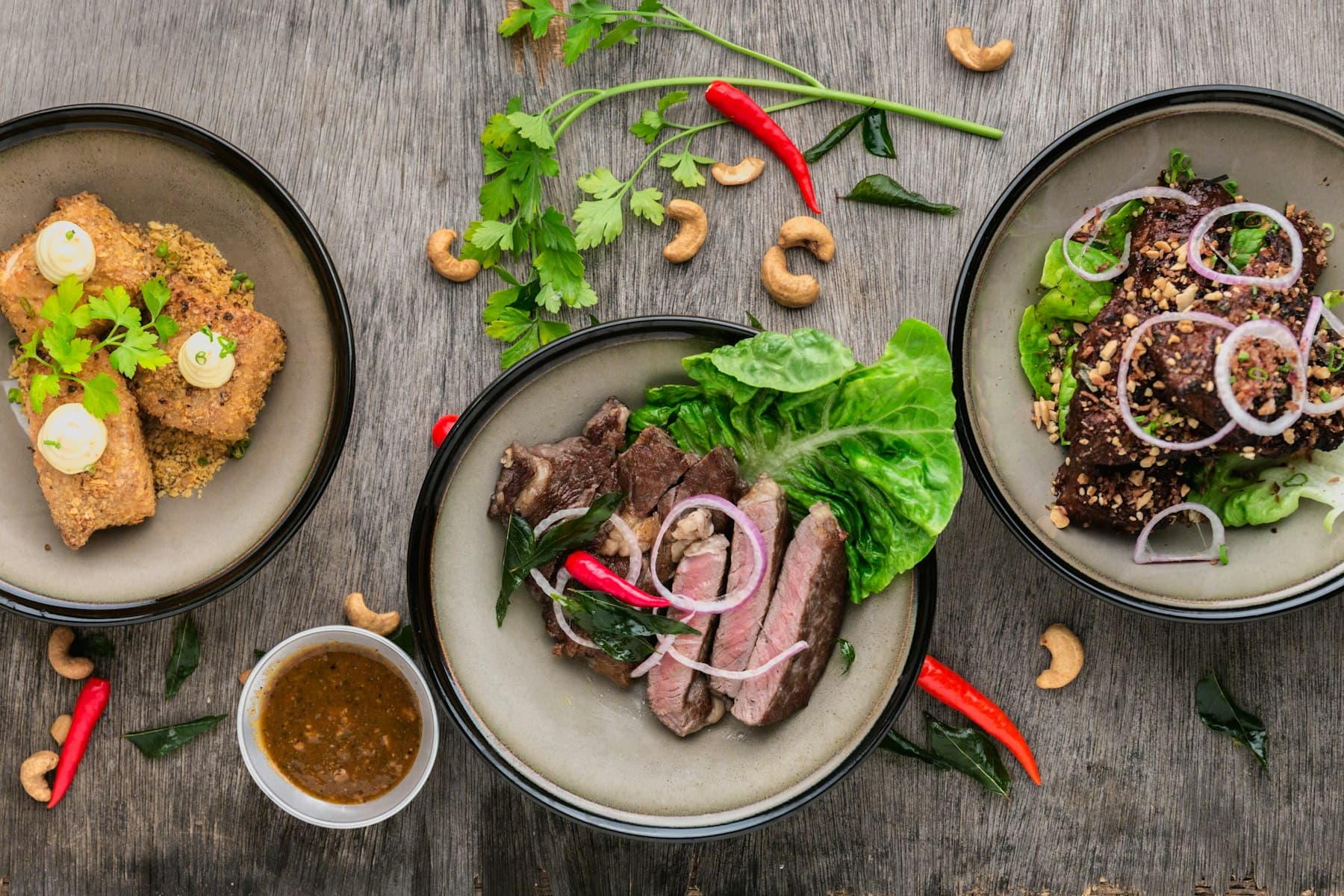
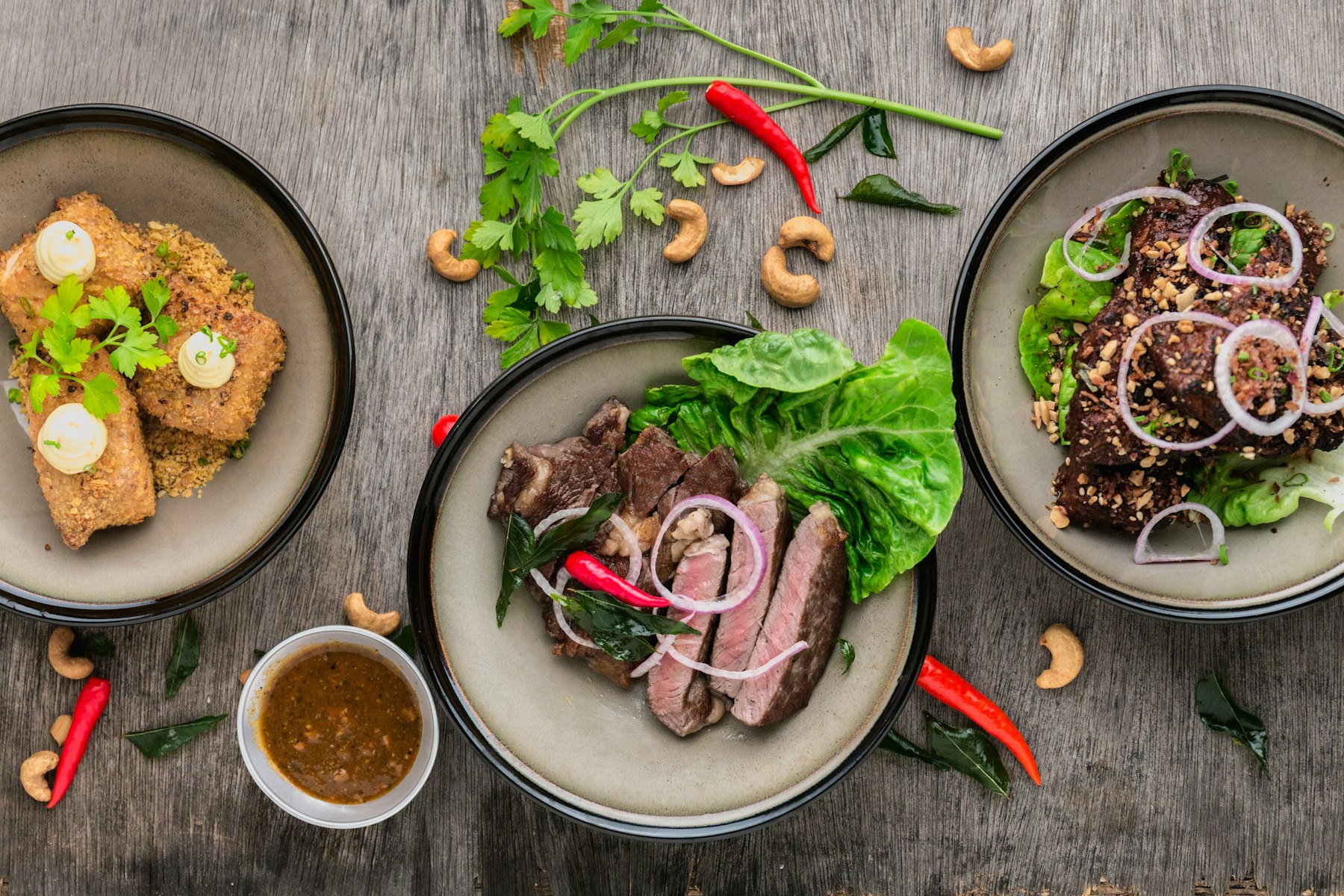
South Australia’s table is wine-country fruit, grain, and a southern seafood register that is not Sydney’s oyster story and not Queensland’s reef story. Use the produce calendar as a sketch. Ask a stall. See farmers’ markets: what to look for.
Modern Australian rooms in this city often write menus by the region you just drove through. That is a language, not a trophy this site awards.
Chinatown and everyday tables
Adelaide’s Central Market precinct also holds a compact Chinatown. Treat it as a walkable strip, not the whole Asian dining map of Australia. Everyday value still sits in suburban food streets — see cheap eats.
Official maps and what we will not claim
Use southaustralia.com for visitor logistics and Wine Australia for region geography. We will not invent a cellar-door score, a live tasting price, or a “best restaurant in Adelaide.” For a longer planner, read Adelaide food-and-wine weekend.
How to use this hub
- Confirm Central Market days.
- Book one wine-region day or a licensed tour.
- Walk a CBD dinner.
- Confirm the venue and the cellar door.
Transport and the designated-driver rule
The city grid is walkable. The regions are not. If you self-drive, one person does not drink. If you book a licensed operator, confirm inclusions and dietary handling with them — this site does not sell tours. See food tours for the editorial note on guided days.
Adelaide Airport sits close enough that a Friday arrival can still be a city dinner. Do not add a cellar door on the way from the airport unless that was the whole plan.
Chinatown, Gouger, and the everyday table
The market precinct and Gouger Street are visitor-facing. They are useful. They are not the only Adelaide. Suburban food streets hold cheap eats and Asian dining that never made a wine-weekend brochure. Walk one of those if you have a third night.
Sibling cities
Melbourne is denser for coffee. Sydney is easier for harbour seafood. Hobart is cooler produce. Adelaide is the compact food-and-wine capital. The cities hub holds the comparison. Official visitor notes: southaustralia.com.