Published 2026-09-21
Use this as a travel sketch. A stall will be more precise.
Summer (December–February)
Stone fruit in the south-east. Mangoes in Queensland and the north. Holiday seafood demand on every coast. Berries in cool pockets, including Tasmania. Outdoor tables in Brisbane and the Gold Coast.
Autumn (March–May)
Apples and pears. Grape harvest across many wine regions. Late warm-climate fruit. A strong Adelaide market month if you missed summer stone fruit.
Winter (June–August)
Citrus. Brassicas. Southern shellfish months that venues will describe more carefully than a national blog should. Hobart is cold and produce-led. Melbourne still does coffee.
Spring (September–November)
Asparagus. Early berries. Spring menus in Modern Australian rooms. Still-cool southern produce. A useful Sydney walking season.
How to use it on the ground
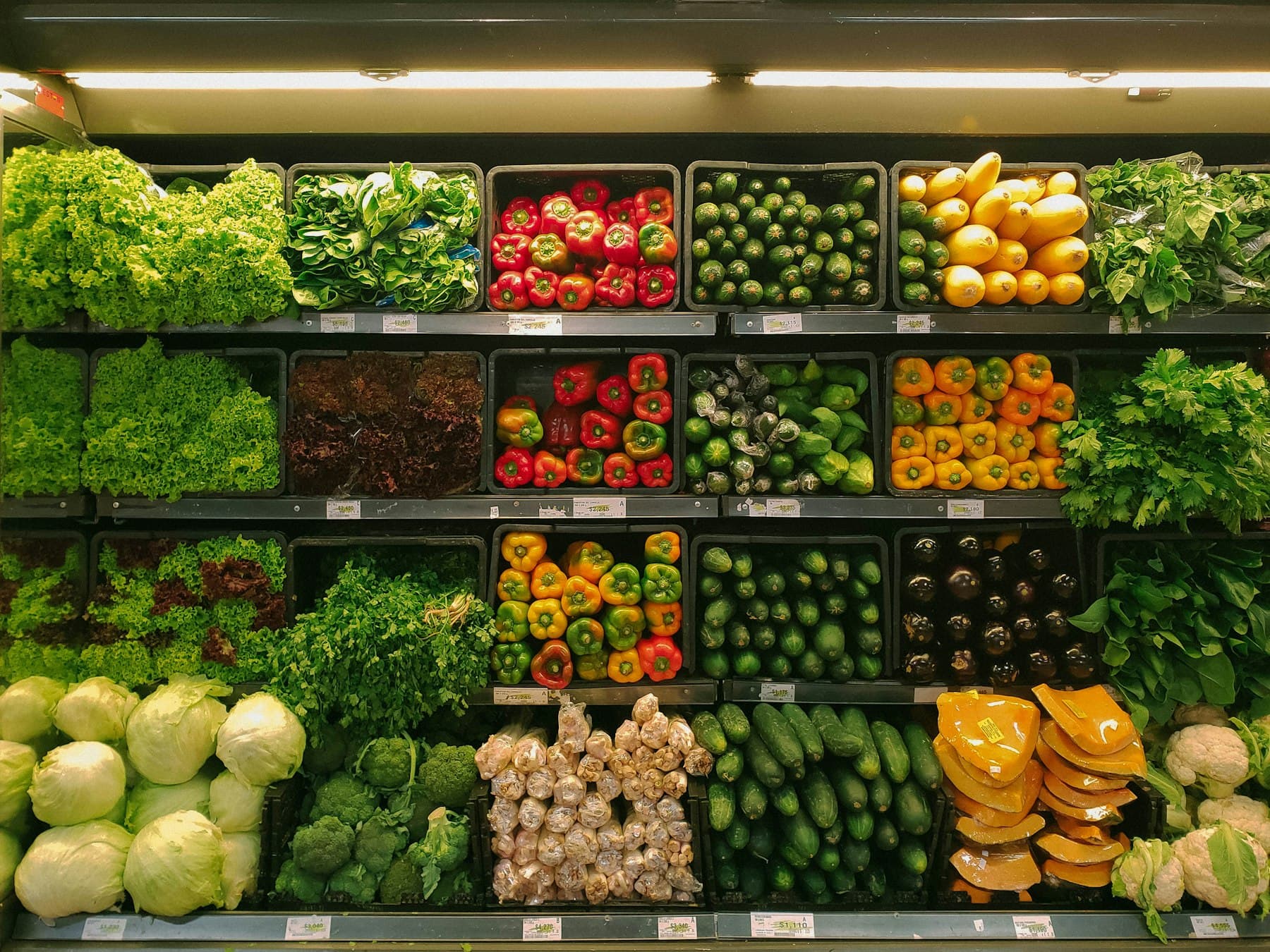
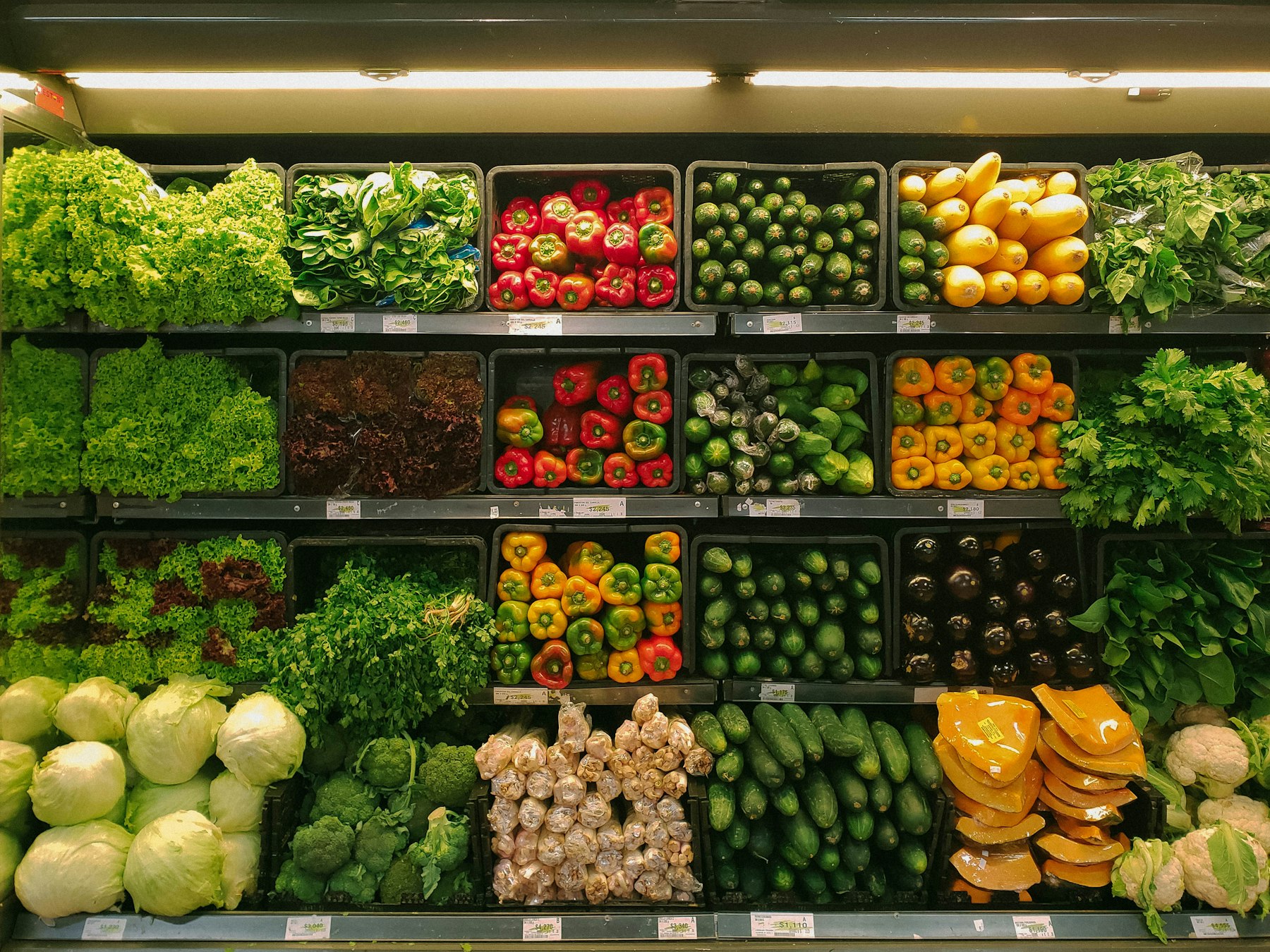
Pair with the produce hub and a market morning. Ask origin. See what to look for at farmers’ markets.
This is not health advice and not a farm ranking. We will not invent a harvest week or a nutrient claim. Food Standards and the seller are the serious registers when safety is the question.
How to read a season without a forecast
A “summer mango” note is a Queensland sketch. A “winter citrus” note is a multi-state sketch. A stall in Hobart in January is still a cool-climate stall. Ask.
Wine-country harvest is autumn in many GIs — see wine regions. Holiday seafood demand is summer on every coast — see seafood. Neither is a price we invented.
Pair with markets and a city guide. This is not health advice, not a nutrient claim, and not a scientific harvest model.