Published 2026-09-24
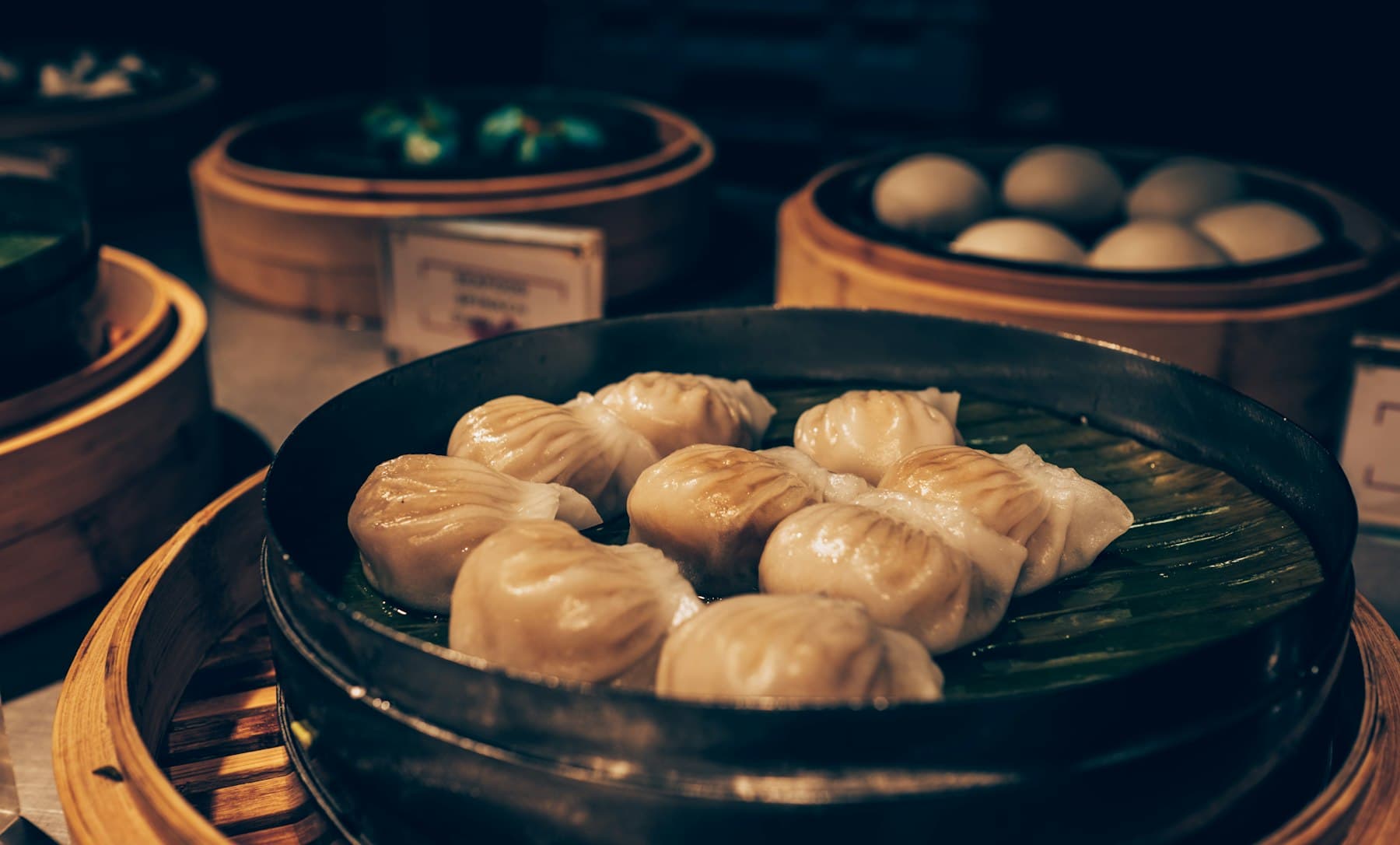
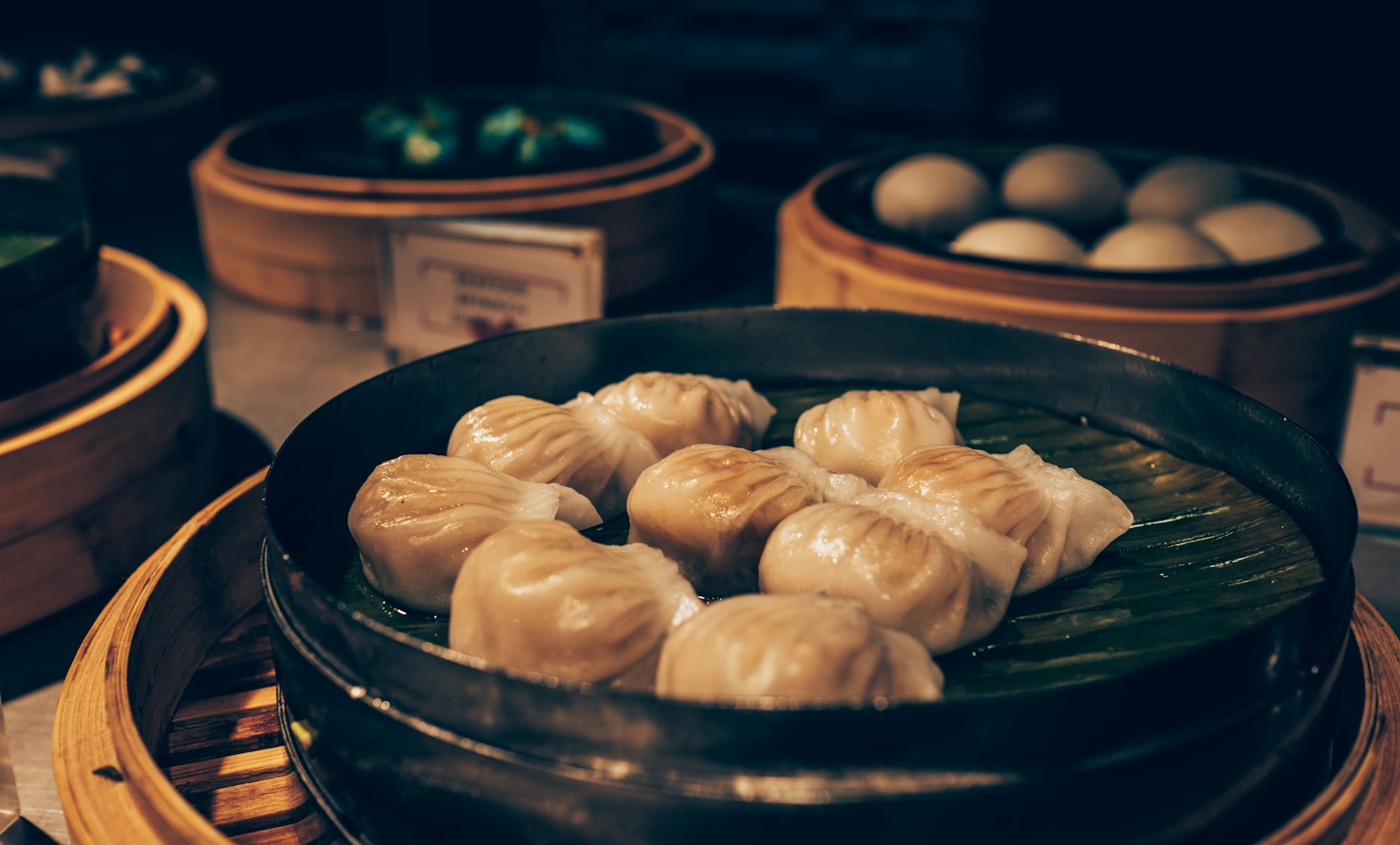
Great cheap eats are geography. Pick a suburban food street you can actually reach. Walk more than one door. Ignore last year’s viral list. Prices move.
The occasion page is cheap eats. This article is the walking plan.
Pick a map, not a medal
Asian dining streets — Haymarket plus Sydney suburbs; Melbourne inner-north and south-east strips. Middle Eastern hubs — Lakemba, Coburg, and related corridors. Markets on a confirmed day. University-adjacent rooms. None of that is a score.
Sydney — inner west or a suburban centre, not Circular Quay. Melbourne — a northern or south-east strip, not a laneway trophy. Other capitals have smaller, real maps.
A one-evening sequence
- Choose a suburb you can reach without turning the night into a car.
- Eat something early so you are not desperate at the first door.
- Walk. If the first room is full, the street is the plan.
- Ask today’s prices. We will not invent them.
See How to plan a food day in Melbourne vs Sydney if you are still choosing a city. Cheap eats are easier when the neighbourhood is already dense. That is not a quality score.
What we will not do
We will not publish a “still $12” claim. We will not pretend a food court is a secret. We will not offer health advice because a meal is inexpensive. Confirm allergen notes with the venue. See vegetarian and gluten-free for travel tips only.
What to leave at the hotel
The viral list. The third suburb. The assumption that last year’s price is this year’s price. Take a transit card and a backup door.
Asian dining and Middle Eastern streets are the usual maps. Markets are the morning version. Vegetarian and gluten-free needs still require a kitchen conversation — travel tips only.
We will not invent a bargain ranking. Official tourism “cheap eats” lists are visitor geography, not a medal we reprint. Confirm the venue. Then stop.